Table of Contents
The Winter Olympics always deliver drama, skill, and moments of national pride. Snow sports fans watched closely as Great Britain’s Gus Kenworthy competed in the men’s halfpipe qualification. The event drew global attention due to Kenworthy’s strong reputation and Olympic history. His performance carried hopes for a final appearance and possible medal push. Halfpipe skiing demands precision, height, and style, making it one of the most exciting Olympic events. Athletes perform runs packed with spins, grabs, and technical tricks. Judges score based on difficulty, execution, and flow. Kenworthy entered qualification with experience and strong fan support. This article covers his journey, the event format, competition highlights, and the broader Olympic impact.
Who Is Gus Kenworthy
Gus Kenworthy is one of the most recognised freestyle skiers in the sport. Born in the United Kingdom and raised in the United States, he later chose to compete for Great Britain. His Olympic career includes medals, major X Games success, and strong World Cup results. Kenworthy is known for creative tricks, smooth style, and strong crowd appeal. He has also gained recognition for advocacy work and visibility in sport. His return to Olympic competition added emotional weight to the event. Fans viewed his participation as both a competitive effort and a personal milestone. This background made his halfpipe qualification run highly anticipated.
Understanding the Halfpipe Event
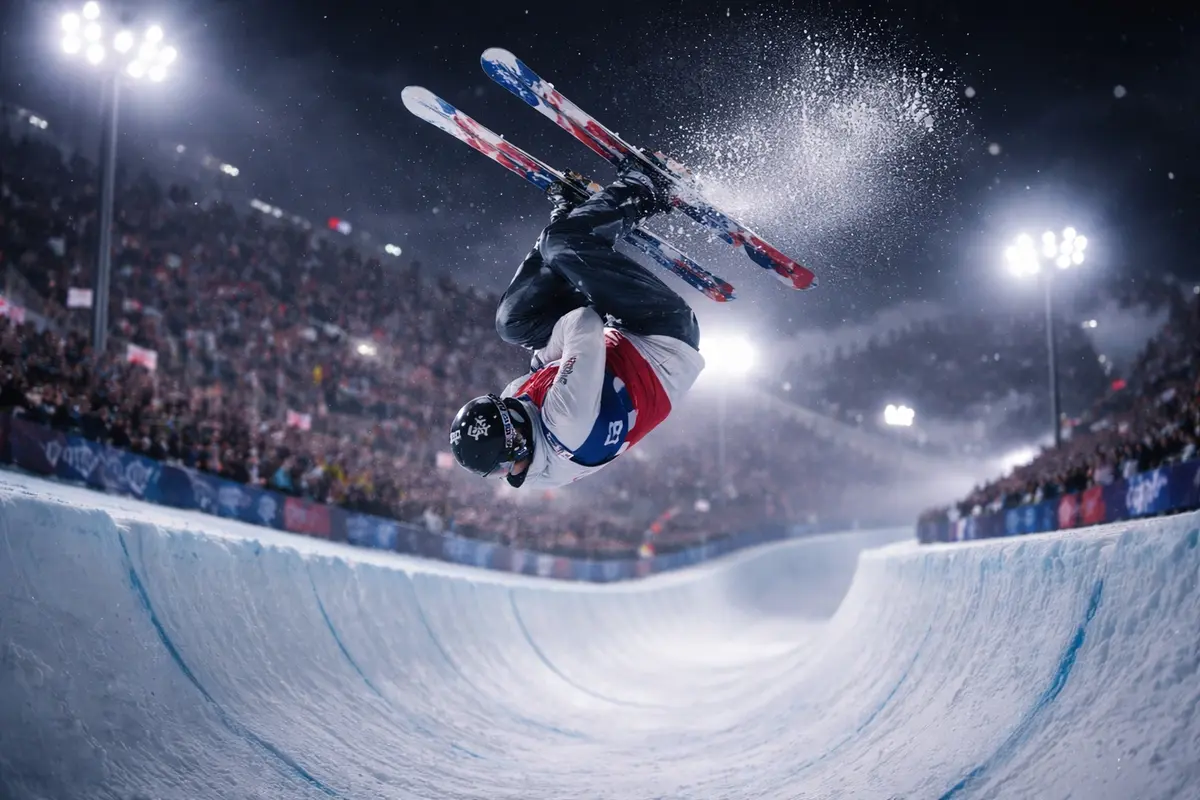
The freestyle ski halfpipe features a large snow channel shaped like a U. Athletes drop into the pipe and launch off each wall in sequence. Each run lasts around 30 seconds and includes multiple tricks. Judges award scores based on amplitude, technical difficulty, execution, and overall impression. Height above the lip remains a key scoring factor. Clean landings and smooth transitions help maintain momentum and score potential. Athletes usually receive two runs in qualification, with the best score counting. Only the top performers advance to the final round. This format creates pressure while rewarding risk-taking and creativity.
Qualification Day Atmosphere
Qualification day brought high energy and strong competition. Spectators filled the venue, and weather conditions remained stable for most runs. The snow surface allowed good speed, which helped athletes attempt bigger tricks. Kenworthy entered the pipe with confidence but faced a deep field of competitors. Many rivals brought advanced trick combinations and high amplitude runs. The atmosphere reflected the Olympic stage, where small errors can decide rankings. Each skier aimed to secure a top score and avoid elimination. This environment created intense focus for every run.
Kenworthy’s First Run
Kenworthy’s opening run showed solid execution and controlled style. He began with a clean drop-in and built momentum through the first hits. His trick set included spins and grabs that highlighted technical skill and experience. The run maintained flow, but judges often reward higher difficulty and risk. While the performance remained clean, it faced strong competition from skiers attempting larger spins. The score placed him within reach of qualification but not yet secure. This created pressure for a stronger second run. The first run served as a foundation for improvement rather than a decisive result.
The Second Run and Final Score
In his second run, Kenworthy increased intensity and aimed for higher scoring tricks. He attacked the pipe with greater amplitude and sharper execution. The run included more ambitious spins and smoother transitions. Despite improved performance, the judging field remained highly competitive. Several athletes posted standout scores that raised the qualification threshold. Kenworthy’s final score reflected a strong effort but left his advancement uncertain. The result highlighted the narrow margins typical in Olympic freestyle skiing. Every landing and degree of rotation can shape final rankings.
Competition Highlights and Standout Performers
The qualification round featured multiple standout runs from global contenders. Top skiers delivered high amplitude tricks and complex spin combinations. Athletes from North America, Europe, and Asia showed the sport’s international strength. Some competitors landed near-perfect runs that secured early qualification. Others relied on second runs to recover from mistakes. The event demonstrated the technical progress of halfpipe skiing over recent years. Trick difficulty continues to rise as athletes push boundaries. This trend increases excitement while also raising performance standards.
Technical Trends in Modern Halfpipe Skiing
Modern halfpipe skiing emphasises both difficulty and style. Double cork spins and switch take-offs have become common at elite level. Athletes also focus on linking tricks smoothly without loss of speed. Equipment improvements and training methods contribute to higher amplitude. Judges reward innovation and clean execution, creating a balance between risk and control. Kenworthy’s style reflects this balance, blending creativity with technical precision. The qualification round showed how new generations of skiers continue to advance the sport.
The Pressure of Olympic Qualification
Olympic qualification carries unique mental pressure. Athletes have limited runs to deliver peak performance. The stakes include national pride and years of preparation. Even experienced competitors can feel tension when margins are tight. Kenworthy’s experience helped manage pressure, but the Olympic stage remains demanding. Small errors or cautious choices can affect scoring. Qualification rounds often test resilience as much as skill. Athletes must adjust strategy between runs while staying composed.
British Skiing and Olympic Representation
Kenworthy’s presence highlights the growth of British freestyle skiing. Winter sports in Great Britain face challenges due to climate and infrastructure limits. Yet athletes continue to achieve global success through training abroad and strong support networks. British representation in freestyle events has increased over recent Olympics. Kenworthy’s participation inspires younger athletes and boosts visibility for the sport. His career reflects how dedication and international training can overcome geographic barriers.
Fan and Media Reaction
Fans followed Kenworthy’s runs closely through live coverage and social media updates. Supporters praised his style and resilience despite strong competition. Media coverage focused on his experience and emotional connection to Olympic sport. Many viewers appreciated the artistry and risk involved in halfpipe skiing. The event sparked discussions about judging criteria and the rising level of difficulty. Fan engagement highlights the appeal of freestyle skiing as both sport and entertainment.
The Role of Experience in Freestyle Skiing
Experience often shapes performance in high-pressure events. Kenworthy’s career includes multiple Olympic cycles and major competitions. This background supports decision-making and composure during runs. Experienced athletes may choose safer trick combinations to ensure clean landings. Younger skiers sometimes take greater risks to achieve breakthrough scores. The qualification round showed how both approaches can succeed or fall short. Experience remains valuable, but execution on the day determines results.
What Happens After Qualification
Athletes who advance move on to the final round, where scores reset. The final allows competitors to push difficulty even further. Medal contention often requires near-perfect runs with advanced tricks. For those who do not advance, the Olympic journey still carries personal and national significance. Qualification results also influence future rankings and sponsorship opportunities. Kenworthy’s performance contributes to his legacy regardless of final placement.
The Broader Impact of the Event
The halfpipe qualification reflects broader Olympic themes of competition, innovation, and sportsmanship. Events like this showcase the evolution of winter sports and inspire global audiences. They also highlight the dedication required to reach Olympic level. Kenworthy’s participation adds narrative depth through experience and personal story. The event strengthens interest in freestyle skiing and winter sport culture.
Lessons from Kenworthy’s Olympic Run
Kenworthy’s qualification effort demonstrates resilience and commitment. Olympic competition rewards both risk and consistency. His performance showed strong technical skill and artistic style. The narrow margins underline the importance of pushing boundaries while maintaining control. The event also illustrates how Olympic sport combines personal achievement with national representation. These lessons resonate beyond skiing and reflect the spirit of elite competition.