Table of Contents
The UK Parliament is deeply divided over plans for a massive new Chinese embassy in London. The project has sparked fierce debate about national security, espionage, critical infrastructure, and foreign influence. Critics argue the embassy could pose risks due to its proximity to sensitive communications cables and financial infrastructure. The government is expected to approve the plan soon despite opposition.
This topic has escalated into one of the biggest UK political debates of the year. It blends national security, foreign relations, intelligence concerns, and domestic politics — all key issues in today’s geopolitical climate.
In this blog post, we’ll break down:
- what the Chinese super‑embassy plan is
- why lawmakers are raising red flags
- security and espionage concerns
- political reactions and tensions
- what the government plans next
Let’s unpack the full story.
What Is the Chinese Super‑Embassy Plan?
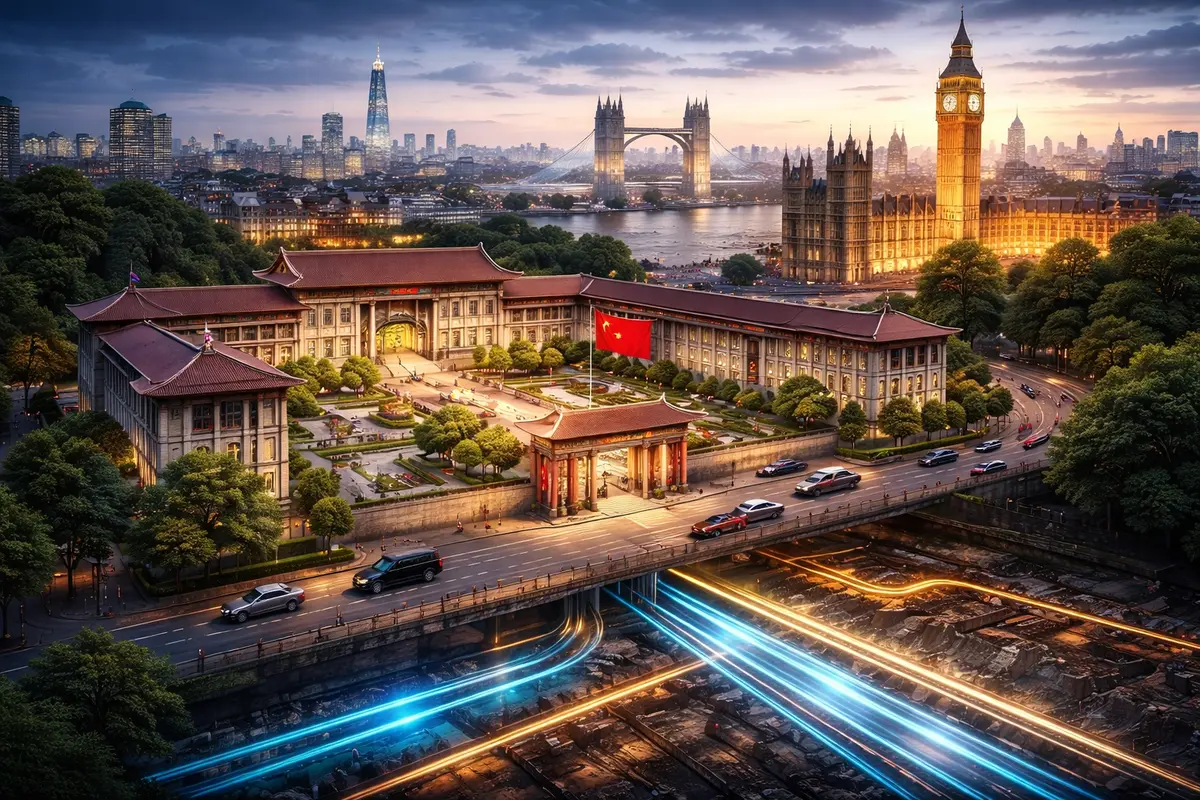
China aims to build a large embassy complex in London, at the site of the former Royal Mint Court. This would be the largest Chinese diplomatic mission in Europe. The embassy would include office space, consular facilities, and a large underground complex with more than 200 rooms.
The location is near key parts of London’s financial district and lies above or extremely close to crucial fibre-optic cables that carry communications and financial data between the City of London and Canary Wharf.
Why It’s Causing Alarm
1. Proximity to Sensitive Infrastructure
Security experts and MPs warn that placing the embassy so close to critical communications cables is a serious risk. These cables carry:
- financial transactions
- internet data
- communications for millions of users
Official documents reportedly show a hidden underground chamber that sits very near these critical cables. Some experts fear this could be exploited for espionage.
2. Espionage and Intelligence Fears
Critics warn that the underground complex could be used as a hub for intelligence activities. With hidden chambers and advanced infrastructure, the site could (in theory) house technology that monitors communications or intercepts data.
Lawmakers fear the location might give an opportunity for Chinese spies to access key systems or influence assets tied to national security and financial stability.
3. Targeting Dissidents
Some MPs and activists also fear that the embassy could be used to intimidate or monitor Chinese dissidents in the UK — including Hongkongers and Uighurs critical of Beijing.
This concern arises from broader worries about China’s influence and actions abroad.
Parliament Speaks Out
Lawmakers Raise Security Concerns
Several MPs voiced strong objections in Parliament, warning that security must come first. One MP said that national security cannot be an afterthought and criticised the embassy plan for ignoring real threats to critical infrastructure.
Conservative and some Labour MPs have joined forces, expressing that the embassy could become a hub for economic warfare or surveillance.
Debate Highlights National Security Ties
In Commons debates, MPs have specifically mentioned signals intelligence, cyber-security risks, and historical clashes with previous decisions — like involving telecom infrastructure in sensitive strategic areas.
Some lawmakers pointed to past security missteps as a warning against repeating mistakes with the new embassy plans.
Government and Diplomatic Reactions
UK Government Maintains It Will Decide Safely
Officials insist that national security assessments are being taken seriously and that all concerns will be weighed before a final decision. Planning ministers have stated that security considerations will be included in the final approval process.
The government has not publicly confirmed a final stance but is expected to approve the project, possibly before key diplomatic meetings.
White House and Allies Express Concerns
The United States has reportedly expressed deep concerns about the embassy plan, especially around its possible effects on intelligence sharing and infrastructure security. Officials warn that Beijing’s influence could extend to critical systems.
Allies like the Dutch government have also reportedly raised warnings, highlighting shared cybersecurity and espionage risks.
China Pushes Back
Beijing has said that the embassy plans are normal diplomatic expansion and has warned of “consequences” if the project is blocked. The Chinese government rejects claims that the design poses security risks.
This response adds pressure to the political debate.
How This Fits Into Broader UK-China Relations
This embassy plan comes at a time when the UK is navigating a complex relationship with China. Britain is balancing:
- economic ties and trade opportunities
- national security priorities
- global geopolitical strategy
China is one of the UK’s largest trade partners, yet security concerns have grown due to multiple high-profile incidents of alleged espionage and interference.
The embassy debate highlights this tension between diplomacy and security.
Table — Key Security Risks and Political Responses
| Risk/Issue | Description | Who Raised It |
|---|---|---|
| Sensitive Cables | Embassy site near fibre-optic lines | MPs, security experts |
| Espionage Fears | Underground chambers could aid spying | Critics in Parliament |
| Dissident Safety | Risk of intimidation of exiles | Human rights advocates |
| Diplomatic Pushback | US and allies urge caution | International partners |
| Government Position | Decision pending, security review | UK officials |
| Strategic Debate | Long-term China relations | Political commentators |
Conclusion
The debate over China’s proposed super‑embassy in London has become a major security and political flashpoint in the UK. It brings together issues of national infrastructure, intelligence threats, diplomatic strategy, and public trust.
Lawmakers, experts, and foreign partners are calling for greater scrutiny, while the government weighs economic engagement against security priorities. With a final decision expected soon, this story will remain in public focus for weeks to come.