Table of Contents
Tensions between the United States and Iran have again raised fears of conflict in the Middle East. Reports show the UK has not given permission for US forces to use British military bases for possible strikes on Iran. This stance has drawn global attention because UK bases often support US operations in the region. The issue links diplomacy, defence policy, and international law. It also highlights political pressure on the British government as Washington weighs military options against Iran’s nuclear programme. While talks between US and Iranian negotiators continue, the possibility of military action remains part of the wider strategic picture. The UK position signals caution and emphasises diplomatic efforts over escalation. This article explains the background, political context, legal issues, and potential global impact of the decision.
Background of US–UK Military Cooperation
The United States and the United Kingdom share one of the closest military alliances in the world. Joint operations, intelligence sharing, and base access have long defined this partnership. RAF Fairford in Gloucestershire and Diego Garcia in the Indian Ocean have played key roles in past US missions across the Middle East. These bases provide strategic reach for aircraft, surveillance, and logistics. Their location allows rapid response to regional crises. US forces have used these facilities in conflicts such as the Iraq War and operations against extremist groups. The shared use of bases reflects trust between both nations and their defence cooperation. Yet the agreement also requires British approval before American forces conduct military strikes from UK territory.
The Current Dispute Over Base Access
Recent reports show the UK has not authorised US use of RAF Fairford or Diego Garcia for potential strikes on Iran. Officials have avoided detailed comment, citing operational confidentiality. Still, insiders confirm that no permission has been granted so far. This position comes as the US increases military presence in the Middle East. Warships, aircraft, and other assets have moved closer to Iran amid tensions over nuclear negotiations. Washington has warned that failure to reach a deal could lead to military action. The UK’s cautious stance suggests concern about escalation and the legal basis for any strike. The situation highlights the balance between alliance loyalty and independent foreign policy decisions.
The Strategic Importance of RAF Fairford
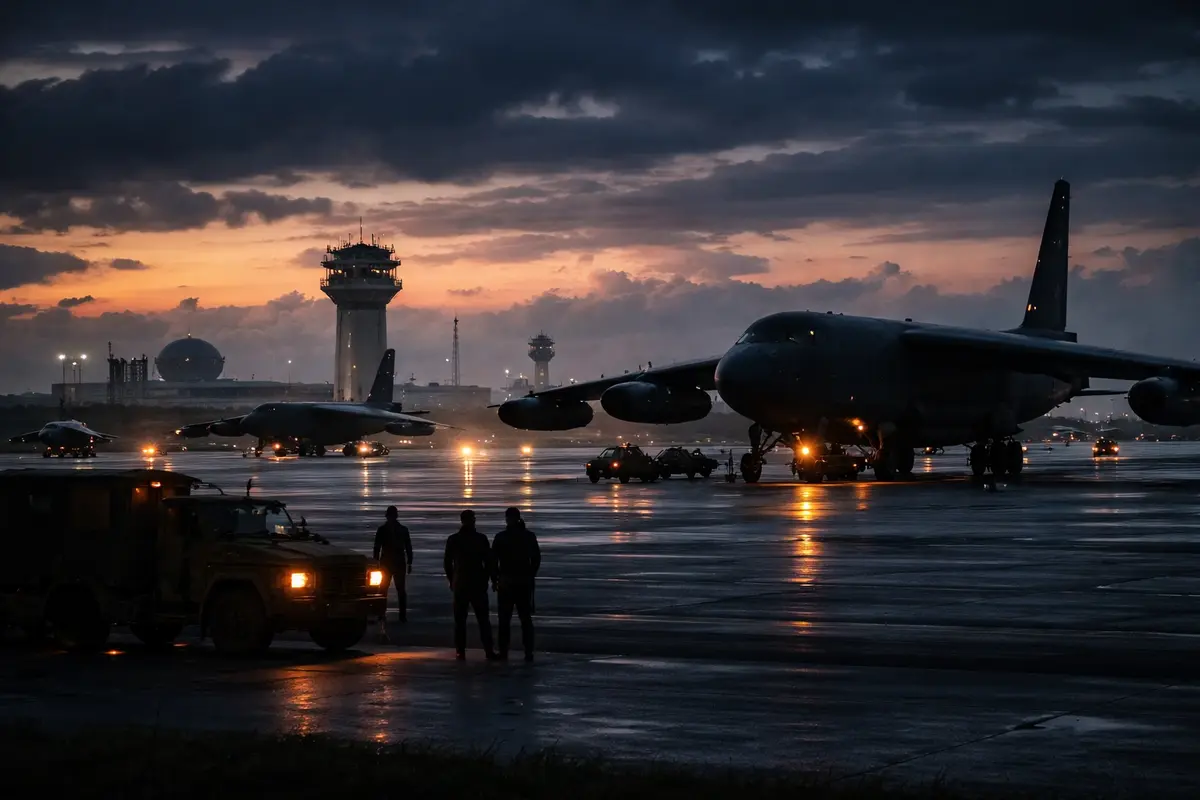
RAF Fairford serves as a key forward operating base for US air forces in Europe. The base supports bomber deployments, reconnaissance flights, and training missions. Its long runway can handle large aircraft, including strategic bombers. This makes it valuable for long-range missions into the Middle East. Fairford has also hosted surveillance aircraft and logistics operations linked to regional security. Despite its importance, the base remains under UK sovereignty. Any use for combat operations requires British government approval. This legal and political control gives London significant influence over US operational planning.
Diego Garcia and Its Role in Middle East Operations
Diego Garcia is a joint UK-US base located in the Indian Ocean. Its remote position offers security and strategic reach across Asia and the Middle East. The base has supported major military operations for decades. It houses naval facilities, airfields, and pre-positioned equipment. In past conflicts, US bombers launched missions from Diego Garcia targeting Iraq and Afghanistan. The island’s isolation allows sustained operations without the political constraints of mainland bases. However, as a British overseas territory, its use still depends on UK consent. The current debate reflects how geopolitical shifts can reshape the base’s significance.
Political Context: US Pressure and Diplomatic Talks
The United States has increased pressure on Iran to limit its nuclear programme. American leaders warn that Iran must not develop nuclear weapons. Military preparations serve as leverage in negotiations. At the same time, talks between US and Iranian negotiators in Switzerland have shown signs of progress. Diplomacy remains the preferred path for many allies, including the UK. The British government supports negotiations and regional stability. The refusal to authorise base use aligns with this diplomatic focus. It also avoids signalling immediate support for military escalation while talks continue.
The Chagos Islands Agreement and Its Impact
The debate over base access also connects to the Chagos Islands agreement. The UK plans to transfer sovereignty of the archipelago to Mauritius while leasing back the Diego Garcia base. This arrangement ensures continued joint military use while addressing long-standing territorial disputes. Critics argue the deal could affect strategic flexibility. Some US officials have expressed concern about future access and operational certainty. Political tensions around the agreement have influenced discussions between US and UK leaders. The issue highlights how territorial decisions can intersect with defence policy.
International Law and the Use of Military Bases
International law plays a key role in decisions about military operations. A country allowing another state to launch attacks from its territory may share legal responsibility. This principle makes governments cautious when granting base access. The UK must assess whether any US action would comply with international law. Legal justification could involve self-defence or United Nations authorisation. Without clear legal grounds, base use could raise diplomatic and legal challenges. This legal framework helps explain the UK’s cautious approach.
The Role of the UK Government
The British government has emphasised that it supports diplomatic efforts to resolve tensions with Iran. Officials stress that preventing nuclear weapons development remains a priority. At the same time, ministers avoid discussing operational decisions publicly. This reflects the sensitive nature of defence planning and alliance relations. The government must balance support for US security goals with its own legal and political obligations. Domestic political pressures also shape decision-making, as parliamentary approval may be required for certain actions.
Parliamentary and Political Reactions
The issue has sparked debate among UK political parties. Some lawmakers call for parliamentary oversight before allowing foreign military operations from British bases. Critics argue that decisions with major security implications should involve democratic scrutiny. Others stress the importance of maintaining strong defence ties with the United States. The debate reflects broader tensions between alliance commitments and national sovereignty. Political leaders face the challenge of managing both public opinion and international relationships.
Regional Implications of Potential Strikes
Any US strike on Iran would carry significant regional consequences. The Middle East remains a complex and fragile security environment. Military action could escalate tensions with Iran and its allies. It might also disrupt energy markets and shipping routes. Regional partners would need to assess their own security positions. The UK’s cautious stance aims to avoid contributing to escalation while diplomatic options remain open. This approach reflects broader concerns about stability in the Gulf region.
The Role of Diplomacy and Negotiation
Diplomacy remains central to efforts to prevent conflict with Iran. Negotiations seek to limit nuclear development and reduce tensions. European allies, including the UK, support dialogue and confidence-building measures. Military pressure may influence negotiations, but diplomacy offers a path to long-term stability. The UK’s refusal to grant base access signals support for continued talks. It also highlights the importance of coordination among allies when dealing with complex security challenges.
Possible Future Scenarios
Several outcomes remain possible as the situation develops. Negotiations between the US and Iran could lead to a renewed nuclear agreement, reducing the need for military action. Alternatively, talks may fail, increasing pressure for strikes. In that case, the UK would face renewed requests for base access. Political, legal, and diplomatic factors would shape the final decision. The evolving situation ensures continued global attention and debate.
Broader Lessons from the Debate
The debate over RAF bases and Iran highlights the complexities of modern alliances. Shared security goals do not always lead to identical policy choices. National interests, legal obligations, and public opinion influence decisions. The situation also shows how military infrastructure can become a focal point of geopolitical tension. The UK’s cautious approach reflects the challenge of balancing deterrence with diplomacy. These lessons apply to many alliance relationships beyond this specific case.