Table of Contents
The UK government has approved plans for China to build a large new embassy in London. The decision has drawn strong reactions across politics, media, and security circles. Supporters see it as a step toward better ties. Critics warn it could raise serious safety risks.
This move comes at a sensitive time. The UK prime minister is preparing for a visit to Beijing. Global tensions are already high. Trust between major powers remains fragile. Against this backdrop, the embassy decision has become a major talking point.
What Has Been Approved
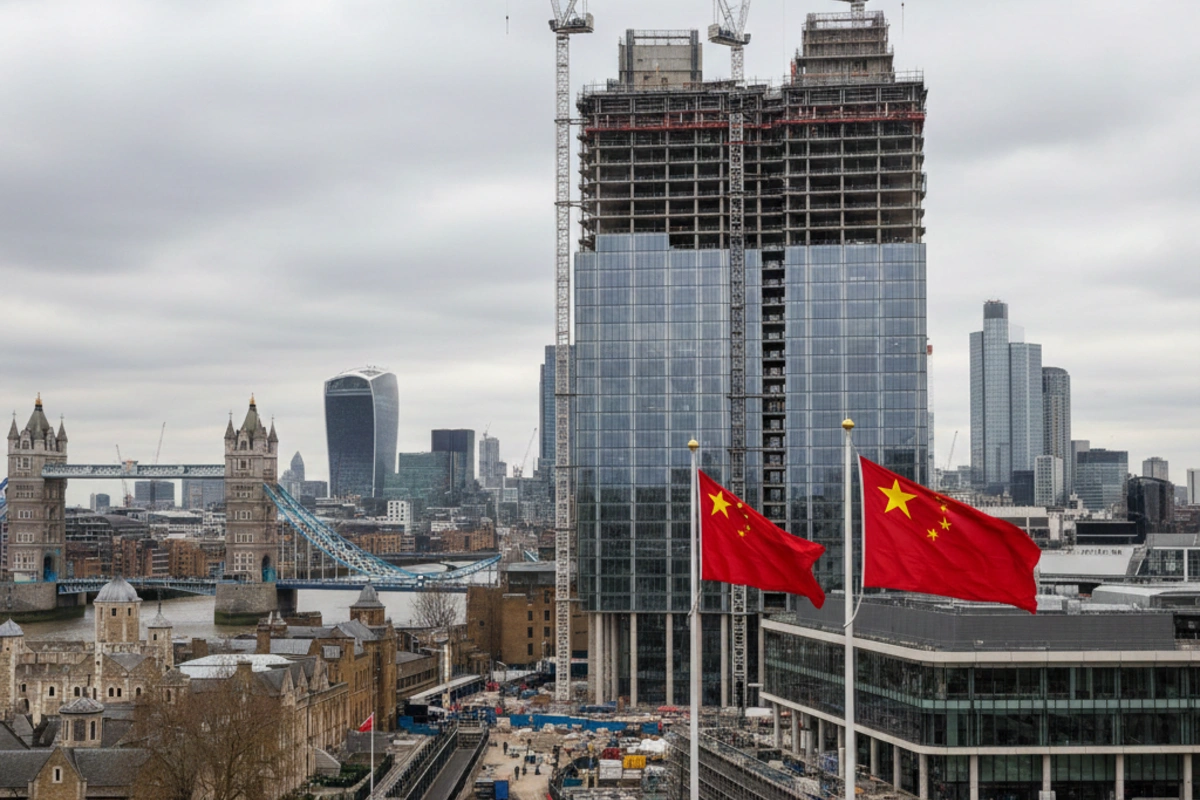
China plans to build its new embassy at Royal Mint Court in London. The site would host China’s main diplomatic mission. Once completed, it would be the largest Chinese embassy in Europe.
The UK government reviewed the proposal through planning and security channels. After this review, officials gave the green light. They stated that national safety concerns were addressed through strict checks.
The announcement followed months of debate. Public consultations drew objections from residents and experts. Despite this, the approval moved forward.
Why Security Fears Are So Strong
Security concerns sit at the heart of this issue. Critics argue that embassy locations matter greatly. Modern embassies rely on advanced technology. They handle sensitive communications and data.
Some lawmakers say the proposed site sits close to key data routes. These routes carry large volumes of digital traffic. Intelligence experts fear this could allow monitoring or data access.
UK and US officials have long warned about state-led spying. China often appears in these warnings. Past cases have increased public doubt and caution.
Opponents argue that no amount of screening removes all risk. They say once the building exists, control becomes harder.
Government’s Position on Safety
The UK government has pushed back against these fears. Officials say the site passed all required checks. They insist that intelligence agencies were involved in the review.
According to ministers, embassies operate under strict rules. Monitoring systems and legal limits are in place. These controls aim to reduce any threat.
The government also stressed a key point. Planning approval does not mean unlimited freedom. Any activity outside diplomatic norms would face action.
In short, officials believe the risks are known and managed.
Political Reactions Inside the UK
The decision has divided British politics.
Some MPs from across parties oppose the plan. They argue that the UK should take a tougher stance on China. They point to human rights issues and cyber threats.
Others take a more balanced view. They say diplomacy requires open channels. Closing doors could harm the UK’s global role.
Local leaders have also raised concerns. Residents near the site worry about protests, traffic, and safety. These practical issues add to the tension.
Concerns From the United States
The debate is not limited to the UK. Some US leaders have voiced concern. They worry about shared intelligence and security cooperation.
The UK and US work closely through intelligence alliances. Any perceived weakness could affect trust. American officials have urged caution without making formal objections.
This shows how closely linked global security has become. Decisions in London can ripple across borders.
The Economic Argument for Engagement
Supporters of the embassy point to trade and cooperation.
China remains one of the world’s largest economies. UK businesses rely on Chinese markets for exports and supply chains. Diplomatic ties help smooth these links.
Backers argue that dialogue reduces risk. Isolation can increase misunderstanding. Engagement allows issues to be raised directly.
They also note that many European countries host large Chinese embassies. The UK does not operate in isolation. Staying engaged helps maintain influence.
Timing and the Prime Minister’s Beijing Visit
The timing of the approval matters. The UK prime minister is planning a visit to Beijing. The trip aims to reset parts of the relationship.
Trade, climate, and global stability are likely topics. The embassy approval may signal goodwill. It suggests the UK wants steady relations, not conflict.
Critics argue this sends the wrong message. They fear it shows weakness. Supporters say it shows confidence and control.
Either way, the timing links the decision to wider diplomatic goals.
A Symbol of Wider Tensions
This issue reflects deeper strains in global politics.
Western nations struggle to balance security with cooperation. China’s rise has changed power dynamics. Trust is harder to maintain.
Embassies are not just buildings. They symbolize intent, access, and presence. Approving one of this scale carries meaning beyond bricks and steel.
The debate shows how cautious many countries feel. Even routine diplomatic steps now face heavy scrutiny.
What Happens Next
Planning approval is only one step. Construction will take time. Oversight will continue through several stages.
Security agencies are expected to remain involved. Any concerns during construction or operation could trigger reviews.
Public debate is also unlikely to fade. Media coverage and political pressure will continue. The embassy may become a regular topic in UK-China talks.
Why This Matters to the Public
This story matters beyond politics.
It affects national safety, foreign policy, and the UK’s global image. It also touches on everyday issues like trade and jobs.
People want to know their country is safe. They also want economic stability. Balancing these goals is never simple.
The embassy decision highlights that challenge clearly.
Final Thoughts
The approval of China’s new London embassy marks a key moment in UK-China relations. It brings security fears, political debate, and diplomatic strategy into sharp focus.
Supporters see a chance for cooperation and dialogue. Critics warn of hidden risks and long-term costs.
As the UK moves forward, this decision will remain under watch. How it unfolds may shape future policy choices and global ties.
One thing is clear. UK-China relations are entering a careful and closely watched phase.