Table of Contents
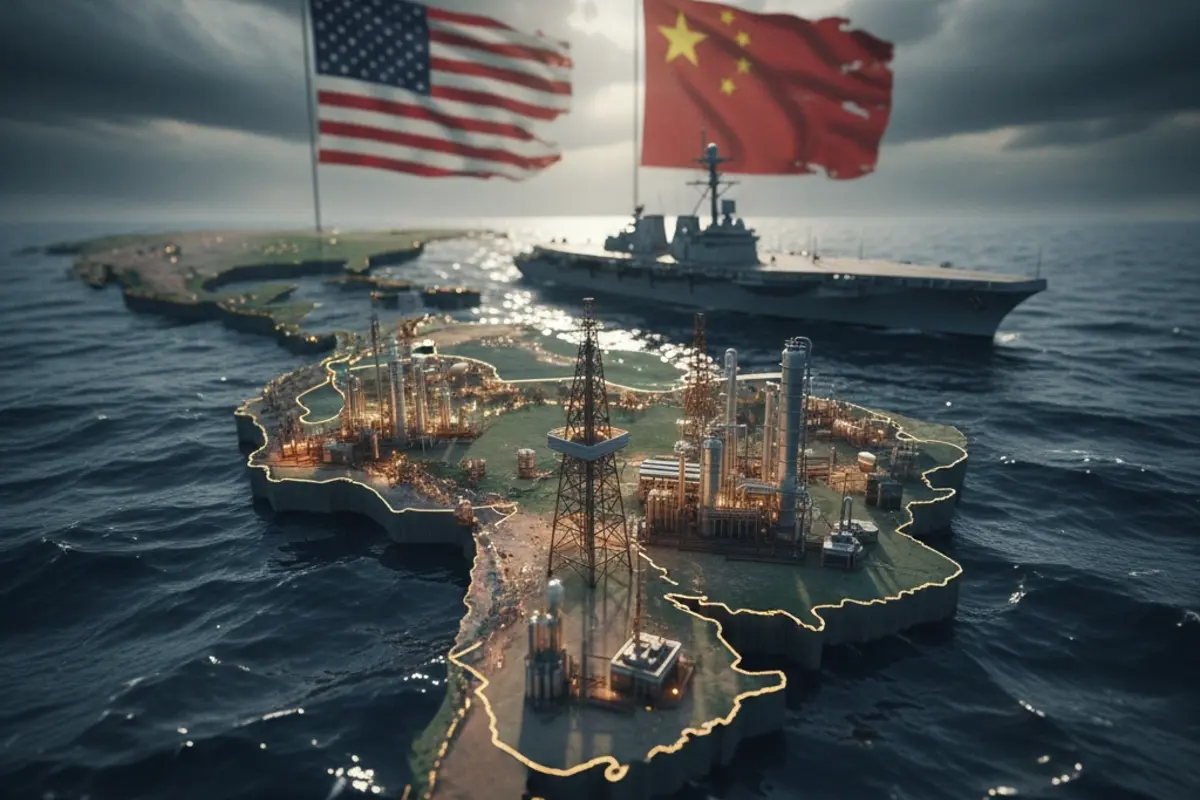
Donald Trump’s sudden raid in Venezuela shocked the world. It took only hours to disrupt a relationship China spent decades building. The move created chaos across South America. It also raised serious risks for Beijing’s global plans.
China prefers stability. Trump brings disruption. This clash now threatens Chinese oil interests, trade routes, and political trust across the region. The fallout could reach far beyond Venezuela.
This article explains what happened, why it matters, and how it affects China, the US, and the global balance of power.
A Relationship Built Over Decades Was Shaken Overnight
China and Venezuela shared a long partnership. It was based on oil, money, and political trust. Beijing funded major projects in exchange for energy supply. Caracas depended on Chinese cash during years of sanctions.
Just hours before the raid, Nicolás Maduro praised China’s leader. He called Xi Jinping an older brother. He spoke of shared values and leadership. Chinese diplomats were present. Cameras recorded friendly meetings.
Then everything changed.
Maduro was seized in a nighttime raid. He appeared blindfolded on a US warship. The image spread fast. For China, it was a shock and a warning.
Why Venezuela Matters So Much to China
Venezuela holds some of the world’s largest oil reserves. China needs oil to power its economy. For years, Venezuela filled that need.
China poured more than one hundred billion dollars into Venezuela. It funded railways, power plants, and public works. In return, oil flowed east.
Last year, most Venezuelan oil exports went to China. This oil made up a small share of China’s total imports. But the political value was much larger.
Venezuela showed China could build strong ties in America’s backyard.
The Raid Changed the Rules Overnight
China reacted with sharp words. It accused the US of acting like a world judge. It warned about sovereignty and international law.
Behind the scenes, Beijing began careful calculations.
China had played by the rules. It made deals, avoided force, and waited patiently. Trump’s action broke that pattern. It showed power could override years of diplomacy.
This kind of chaos makes planning harder. China dislikes sudden shifts. It prefers steady moves and long timelines.
Trump’s Message Was Clear to Beijing
US officials did not hide their intent. They said the western hemisphere is America’s space. They warned rivals to stay out.
The message to China was direct. Latin America is off limits.
For Beijing, this confirmed long-held fears. How far would the US go to block Chinese influence? What lines still exist?
Trump’s move raised doubts across Beijing’s leadership.
The Risk of Copycat Thinking Around Taiwan
Some Chinese voices asked dangerous questions. If the US can seize a foreign leader, why can’t China do the same in Taiwan?
Taiwan is central to Chinese policy. Beijing sees it as part of China. It has not ruled out force.
But experts warn against simple comparisons. Taiwan is not Venezuela. The cost would be far higher. The risks are extreme.
China lacks confidence it could win quickly. Any move would bring global fallout.
For now, Beijing sticks to pressure, not invasion.
China’s Long Game Faces a New Obstacle
China builds influence slowly. It invests, trades, and waits. It avoids chaos.
Trump’s action threatens that approach. It shows that long planning can be undone fast.
Beijing now faces frustration. It played by the system. That system was suddenly ignored.
This weakens trust in global norms. It also harms China’s efforts to win support across the Global South.
Chinese Companies Now Face Growing Danger
Chinese firms operate deep inside Venezuela. Major oil companies have large assets there.
Chaos creates risk. Assets could be seized. Deals could be canceled. Projects could stall.
There are also unpaid loans. Venezuela still owes Chinese lenders billions. It is unclear if those funds are safe.
The greater danger lies ahead. New investors may stay away. Fear of US action could slow future deals.
Latin America Watches Closely
Other countries in the region are paying attention. They see what happened in Caracas.
Some may rethink ties with China. They may fear drawing unwanted US pressure.
This worries Beijing. Latin America supplies food, oil, and raw materials. Trade with China is massive.
If trust fades, China loses ground.
Panama and Strategic Routes Add to the Pressure
The US has also focused on Panama. It wants Chinese port deals canceled near the canal.
The canal is vital to global trade. Control there holds huge power.
For China, this adds another layer of concern. Strategic routes now feel less secure.
Balancing the US Relationship Is Getting Harder
China just reached a fragile trade truce with the US. It does not want conflict.
But it also cannot abandon Latin America. Doing so would weaken its global standing.
Striking this balance will be difficult. Trump’s style makes outcomes hard to predict.
Beijing must respond without provoking more pressure.
What Options Does China Have Now
China is unlikely to leave Venezuela quickly. It will wait and observe.
It may shift tactics. Quiet diplomacy may replace public deals. Local partners may take larger roles.
China could also spread risk. It may deepen ties in Africa or Asia instead.
The focus will be on patience, not reaction.
Why Chaos Is China’s Biggest Enemy
China thrives in order. It plans decades ahead. Chaos breaks models and timelines.
Trump’s move injected uncertainty. That alone is damaging.
Beijing must now protect its image as a stable partner. That image matters across the Global South.
If chaos spreads, China’s soft power weakens.
Global Power Competition Takes a New Shape
The US and China are locked in a long contest. This raid added a new layer.
Power is no longer just trade or tech. It now includes force and speed.
China did not choose this turn. But it must adapt.
The contest is entering rougher territory.
What Happens Next
China will wait. It will study every move.
It will not rush. It will avoid loud responses.
Behind closed doors, plans are being redrawn.
The real impact may take years to appear.
Final Thoughts
Trump’s Venezuela raid did more than remove a leader. It shattered assumptions.
China now faces uncertainty in a region it worked hard to enter. The risks are real. The choices are complex.
Chaos favors speed. China favors time.
This clash of styles may define the next phase of global power.