Table of Contents
Including Pigeons Riding the Tube
Introduction to Wild London
Sir David Attenborough is one of the most trusted voices in nature. At 99 years old, he is still exploring and sharing stories about animals. In his latest BBC special, Wild London, he turns the camera toward the city he has lived in for more than 75 years. In this surprising new film, he shows the wildlife that lives in and around London’s busy streets.
This documentary is not about jungles or deserts. It is about animals that live near people. Some are common and some are rare. What unites them is their ability to survive in a big city full of people and noise.
Why This Film Matters
Most nature films look at faraway places. But Wild London focuses on the wildlife right at our doorstep. London is a huge city, but it also has parks, canals, hedges, and quiet corners. In these places, animals find food, shelter, and safety even among people.
Sir David says this film is special because it shows urban wildlife in a new way. He wants people to see that even crowded cities can be full of life. This is a different message from the usual nature film.
London: A Surprising Home for Wildlife
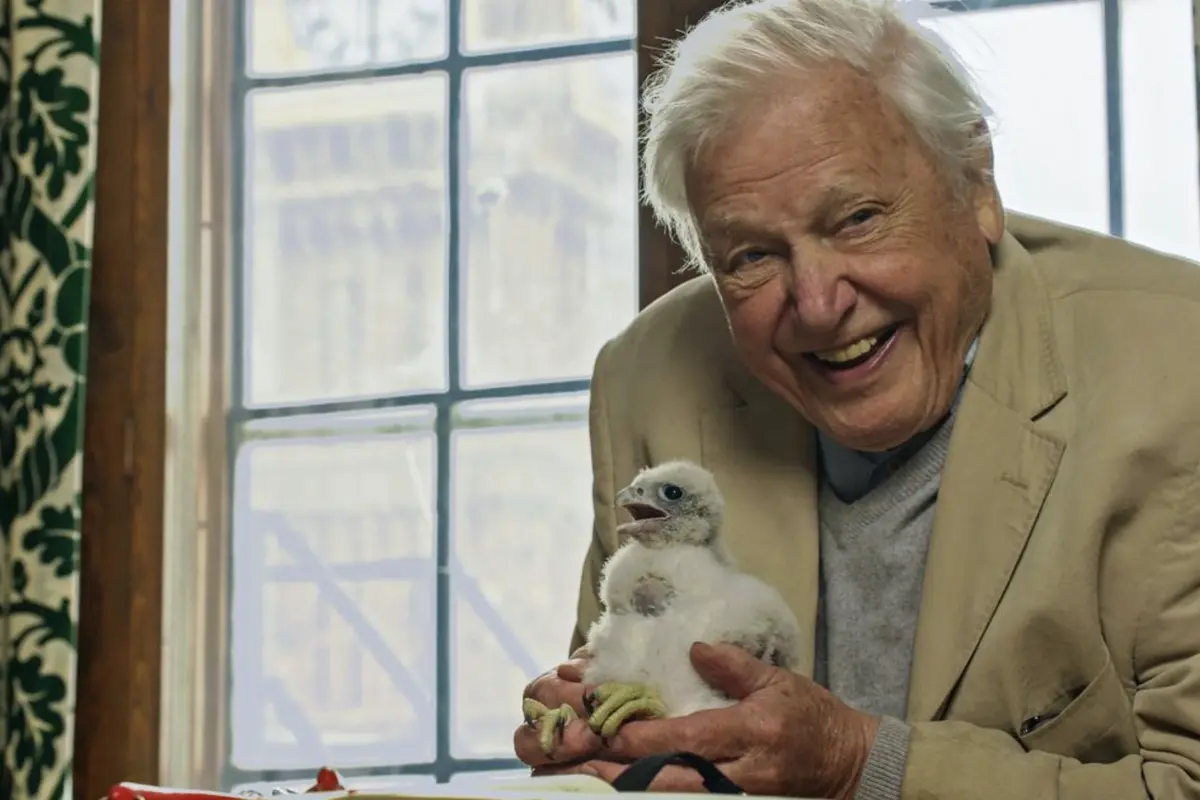
London may seem too busy for animals. But many species live there. Foxes roam gardens and parks at night. Parakeets fly in noisy flocks over green spaces. Snakes slide along the water of Regent’s Canal. Peregrine falcons nest on tall buildings like the Houses of Parliament. Beavers build homes near shopping centres.
These animals have found ways to survive with people around. Some live close to busy roads and crowds. Others go unnoticed in quiet parks or green backyards. The film shows how these creatures adjust to city life.
Pigeons on the Tube: A City Tale
One of the most unusual stories in Wild London is about pigeons. Yes, common city pigeons. Sir David points out that pigeons sometimes ride on the London Underground trains. These birds may hop on and off Tube cars as a way to move around the city.
It sounds funny, but this behaviour shows how adaptable some animals are. They are not scared of human spaces. Instead, they use those places to find food and shelter. People who ride the Tube might have seen pigeons on platforms or tunnels. Now we know these birds can use the trains too.
Strange and Clever Animal Behaviours
The documentary highlights other unusual animal behaviours. In one part, Sir David shows a gull that has learned a unique way to hunt. This bird hunts pigeons near the Serpentine in Hyde Park. Another moment shows swans and coots trying to help trapped birds. Foxes are shown scavenging and storing food.
These scenes show that urban wildlife is not just surviving. Some species are clever, resourceful, and surprisingly social. They find opportunities in busy human spaces.
The Human Connection
London is one of the greenest big cities in the world. It has many parks and sites of ecological importance where wildlife can live. The London Wildlife Trust helped make this film. The trust works to protect city animals and their homes.
Sir David also talks with local experts. They show projects that help animals like hedgehogs move through gardens and parks safely. This reminds viewers that small efforts can make a big difference for wildlife.
How the Film Was Made
Filming Wild London was not easy. Cinematographers had to capture animals in busy, tight spaces. Shooting peregrine falcons at high buildings and foxes in gardens took time and skill. Sir David’s long experience with nature films helped the team find the most interesting stories.
The documentary is set to show on BBC One and BBC iPlayer. It celebrates London’s wildlife and invites people to see nature in new ways.
Why Urban Wildlife Matters
Seeing wildlife in a city makes people care more about nature. When we notice animals near us, we understand that nature is not far away. It is in parks, gardens, waterways, and even under the streets. This connection can help people protect animals and their homes.
Sir David hopes that viewers will stop and think about nature next time they see a fox, parakeet, or pigeon. These animals share our world. They are part of London’s ecosystem, and they are worth protecting.
A Personal Reflection
Sir David has spent his life showing the beauty of the natural world. In Wild London, he turns around and looks at the nature close to him. This film is personal. It shows his love for wildlife, not just in far‑off lands, but in the city he calls home.
He encourages us to open our eyes. We may miss the small wonders hiding in plain sight. London holds many stories of survival, adaptation, and coexistence.
Closing Thoughts
Sir David Attenborough’s Wild London changes how we see cities. It shows that wildlife and humans can live close together. It shows that nature can survive and adapt even in busy streets. This film makes us think differently. It invites us to look for life in every corner — even under our feet.