Table of Contents
In an era where digital transformation is advancing faster than ever before, the need for secure identity verification systems has become universal. Financial institutions, blockchain projects, and global digital platforms all face a recurring challenge: verifying real individuals in a scalable, accurate, and secure way. Among the most ambitious attempts to solve this stands the Pi Network and its revolutionary approach to identity verification—Pi KYC AI Integration.
As one of the largest blockchain communities in the world, the Pi Network faces a unique challenge: how do you verify tens of millions of users without compromising privacy, decentralization, or speed? The answer can no longer rely solely on human validators or traditional KYC providers. Pi Network has embraced something much more advanced—artificial intelligence embedded into the core of its KYC system.
This integration marks the beginning of a new era for the Pi ecosystem, setting a standard for the future of Web3 onboarding. The Pi KYC process has transformed from a manual, community-driven framework into a powerful hybrid system powered by AI, automation, and intelligent data processing. The result is a KYC model that is faster, safer, and more inclusive than anything previously seen in blockchain-based identity systems.
Why Pi Needed an AI-Driven KYC Solution
The Pi Network has always had a bold mission: to build a globally accessible cryptocurrency mined from mobile devices. With millions of users signing up from diverse regions—including developing nations, rural communities, and remote areas—Pi needed a verification system that worked for everyone.
Traditional KYC solutions face three major limitations:
- Manual review bottlenecks create long processing times.
- Strict documentation requirements exclude people in underserved regions.
- High costs make large-scale verification unrealistic.
Pi’s unique membership structure, which values real human users over bots or duplicates, forced the network to innovate. The community-driven approach helped, but scaling to millions required something smarter and more efficient.
Enter AI-assisted KYC—the breakthrough Pi needed to accelerate onboarding while maintaining accuracy and fairness.
How Pi KYC AI Integration Works Behind the Scenes
Pi’s AI-powered KYC system combines modern machine learning models with decentralized validation. This hybrid approach enables high accuracy while still encouraging community participation.
The process is divided into several AI-driven steps:
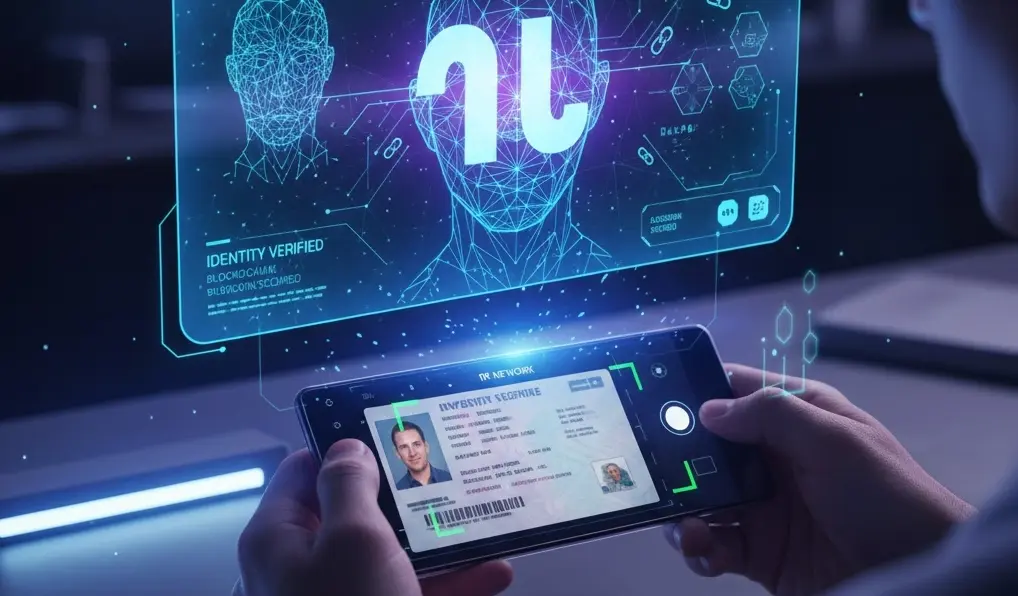
1. AI-Enhanced Document Scanning
Pi’s AI system instantly reads and analyzes identity documents using:
- Optical Character Recognition (OCR)
- Intelligent text extraction
- Image clarity enhancement
- Document type recognition
Even blurry or low-quality images from older devices can often be processed successfully, making Pi KYC globally accessible.
2. Smart Facial Verification and Liveness Detection
Artificial intelligence examines the user’s face through:
- Facial landmark mapping
- Neural network comparison
- Real-time motion cues
- Anti-spoofing detection
This ensures the document’s owner is physically present and not using a photo or deepfake.
3. AI-Powered Fraud Prevention
AI detects:
- Duplicate submissions
- Reused IDs
- Fabricated documents
- Mismatched faces
- Pattern anomalies
The system learns continuously, improving its ability to detect fraud with every verification.
4. Automatic Decision Processing
Pi’s AI analyzes every piece of data and determines whether:
- The case can be approved automatically
- It needs human validation
- It should be flagged for irregularities
This dramatically speeds up approval, allowing genuine users to pass KYC in minutes or hours instead of weeks.
5. Decentralized Community Review for Edge Cases
AI handles the heavy lifting, but community validators still play a vital role. Their task is no longer to read documents manually but to review AI-flagged exceptions.
This dual approach gives Pi the best of both worlds:
- Machine accuracy
- Human fairness
Why Pi KYC AI Integration Is Becoming a Global Trend
The internet is buzzing about Pi KYC AI Integration—and not just within the Pi community. Tech analysts, blockchain developers, and AI researchers see it as a model for future digital identity systems.
Here’s why:
AI Makes Verification Faster
In the past:
- KYC reviews could take days or weeks
- Users waited in long queues
- Documentation errors caused delays
With AI:
- Most cases are processed automatically
- Errors are corrected instantly
- Approval times drop significantly
The improvement is so dramatic that many users have already reported same-day verification.
AI Makes Pi More Secure
Bots, fake accounts, and duplicate identities are common problems in crypto ecosystems. Pi’s AI-powered detection models help eliminate these threats by scanning for suspicious patterns.
This ensures Pi remains:
- A network of real individuals
- A safer environment for Mainnet launch
- A compliant, trustworthy ecosystem
AI Makes Pi More Inclusive
Traditional verification systems often reject applicants because of:
- Poor camera quality
- Missing data
- Uncommon ID formats
- Language barriers
AI allows Pi to adapt globally instead of forcing users into rigid requirements. This inclusivity aligns perfectly with Pi’s mission of global financial accessibility.
The Impact of AI on the Future of Pi Network
Pi KYC is more than a technical upgrade—it is the foundation for the next phase of Pi’s development, including Pi Mainnet, Pi Apps, and the broader Pi digital economy.
1. Paving the Way for Open Mainnet
Only verified, real users will transition to the Open Network. AI ensures that Pi reaches this milestone faster by verifying users in record numbers.
A successful AI-driven KYC rollout means:
- Fewer delays
- Faster ecosystem growth
- Stronger security for the network
2. Building a Global Digital Identity Layer
Pi KYC may evolve into a privacy-preserving digital identity solution used across:
- E-commerce
- Decentralized apps
- Financial platforms
- Web3 services
This creates enormous potential for Pi beyond cryptocurrency.
3. Enabling Secure Pi Transactions
AI-assisted identity checks could apply to:
- Merchant payments
- High-value transfers
- Peer-to-peer transactions
Users will enjoy both freedom and protection.
4. Supporting Business Verification (KYB)
Merchants joining the Pi ecosystem in the future may undergo:
- AI-driven business document verification
- Identity authentication
- Fraud screening
This creates trust for consumers and developers in the Pi marketplace.
Challenges Pi Must Navigate With AI KYC
No technology is perfect. Pi Network must continue addressing:
Ethical AI Usage
AI must remain unbiased and fair to global users.
Data Privacy
Pi’s encrypted processing ensures privacy, but transparency must remain a priority.
Global Regulatory Standards
As Pi grows worldwide, KYC must align with multiple jurisdictions and compliance rules.
Pi’s commitment to user-first innovation will determine how successfully it navigates these challenges.
What AI Integration Means for Everyday Pi Users
Most Pi pioneers want a simple answer:
What does AI KYC mean for me?
The benefits include:
- Faster approval
- Fewer rejections
- More secure accounts
- Verified users receive more ecosystem opportunities
- Faster progress toward Open Mainnet
In essence, AI makes Pi smoother, safer, and more future-ready.
Conclusion: Pi KYC AI Integration Is Reshaping Web3 Identity
The integration of artificial intelligence into Pi’s KYC system is more than a technical achievement. It is a breakthrough in global digital identity verification, setting a new standard for decentralized platforms. Pi Network is proving that it is possible to verify millions of people quickly, securely, and ethically—without relying on traditional systems that exclude many parts of the world.
As Pi continues its journey toward Open Mainnet, AI-driven KYC will remain one of the most important foundations of its success. With scalability, efficiency, and inclusivity at its core, Pi’s AI identity system could influence how digital identity is handled not just inside Pi, but across the entire Web3 ecosystem.
Pi is not just building a blockchain.
It is building a smarter, fairer, globally accessible digital future.