Table of Contents
Israel Attacks Iran: Latest Updates on the Escalating Conflict
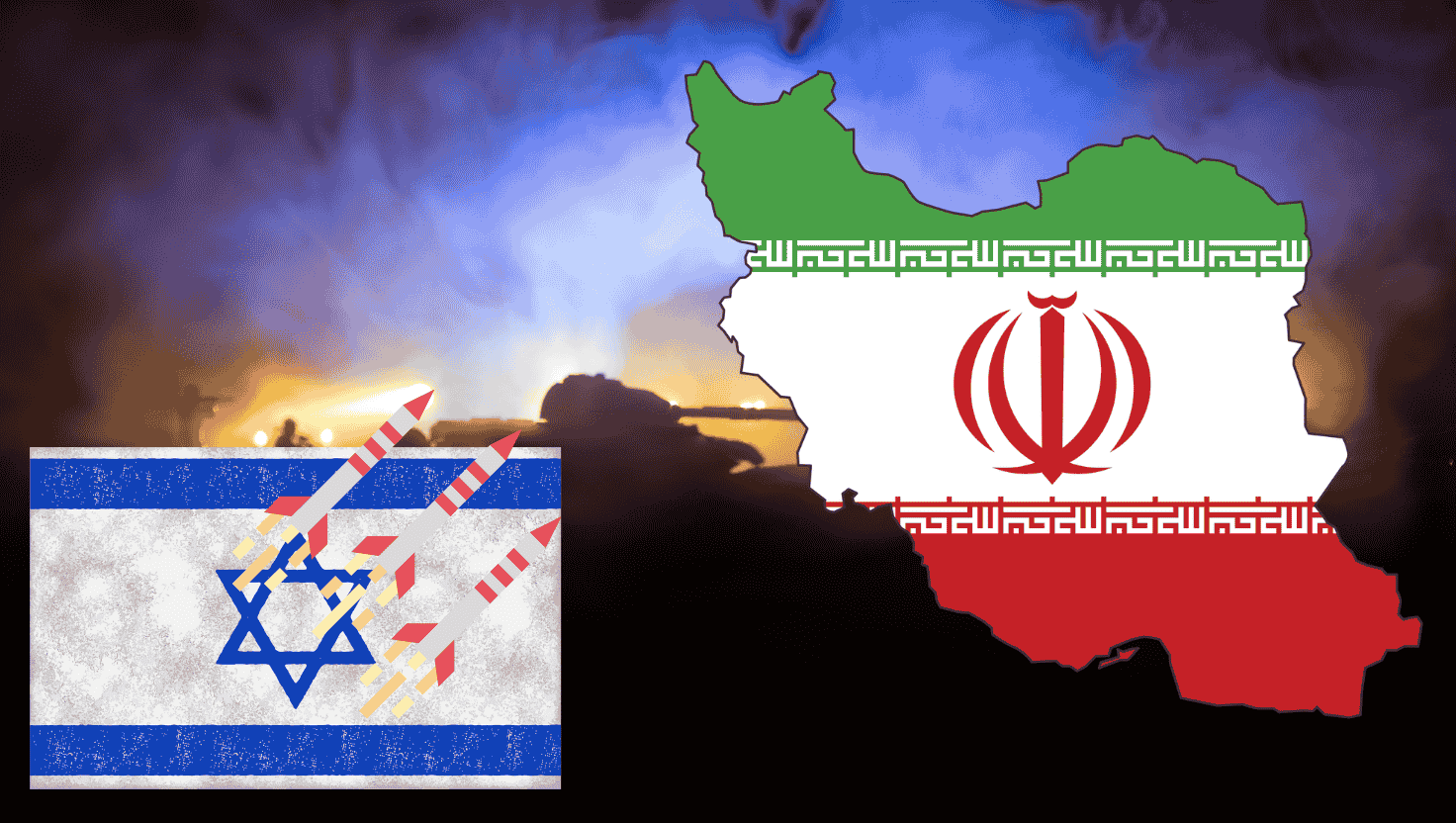
On June 13, 2025 a shocking escalation of Middle Eastern tensions, Israel has launched a direct military attack on Iranian targets today. The strike, which Israeli officials claim was aimed at Iranian military infrastructure, has sent shockwaves through international diplomatic circles. As of now, both Israeli and Iranian officials have confirmed the incident, while global leaders are calling for restraint to prevent a broader regional conflict.
What We Know So Far
According to multiple sources, Israeli fighter jets carried out precision strikes on key military installations in Iran early this morning. The primary targets are believed to include missile depots, radar systems, and suspected nuclear-related facilities. While Israel has remained vague about the exact objectives, officials indicated the move was in response to escalating threats from Iran and its regional proxies.
Iran’s state media has reported damage to military installations near the central region of Isfahan, with Iranian forces immediately placing air defence systems on high alert. Casualty reports remain unconfirmed, but early indications suggest multiple fatalities among Iranian military personnel.
Why Did Israel Attack Iran?
Tensions between Israel and Iran have been simmering for years, rooted in Iran’s nuclear ambitions and its support for anti-Israel groups across the region. Over recent weeks, intelligence agencies suggested that Iran was increasing its military activity in neighbouring countries, prompting growing concern in Tel Aviv.
Israel’s Defence Ministry released a brief statement: “The State of Israel reserves the right to defend itself against existential threats. Today’s operation was a direct response to imminent dangers posed by Iranian aggression.”
This strike may also be linked to Iran’s ongoing support for armed groups in Lebanon, Syria, and Gaza, all of which pose direct threats to Israeli national security.
Global Reactions: Calls for Restraint
Global leaders have responded with alarm. The United Nations Secretary-General has called for an immediate ceasefire and urged both sides to de-escalate. European Union officials expressed “deep concern” over the developments, fearing that a wider war could destabilise oil markets and the global economy.
The United States, a key ally of Israel but also a negotiator in regional diplomacy, has thus far issued a cautious statement: “We are monitoring the situation closely and urge both Israel and Iran to avoid further escalation.”
Russia and China, both having significant ties with Iran, have condemned the Israeli strikes, calling them “illegal acts of aggression.”
What’s Next? Risk of Retaliation
The world now watches closely for Iran’s next move. Historically, Iran has used regional proxies such as Hezbollah in Lebanon or militia groups in Iraq to retaliate against Israeli strikes, avoiding direct confrontations while still inflicting damage on Israeli interests.
However, this direct attack on Iranian soil represents a significant shift, raising fears of a full-scale conflict between two powerful regional players.
Military analysts believe that if Iran retaliates directly against Israeli territory, the region could spiral into a broader war, potentially drawing in superpowers and affecting global markets, particularly oil prices.
Impact on Global Markets
In response to the news, oil prices surged by nearly 8% in early trading, as markets brace for potential disruptions in Middle Eastern energy supplies. Stock markets globally also showed signs of volatility, with investors moving towards safer assets like gold.
A Dangerous Turning Point
Today’s attack marks one of the most significant escalations between Israel and Iran in recent history. With both nations heavily armed and deeply entrenched in regional conflicts, the coming days will be critical in determining whether diplomacy can prevail or if the Middle East is on the brink of another devastating war.
Stay tuned as we continue to monitor this developing story.