Table of Contents
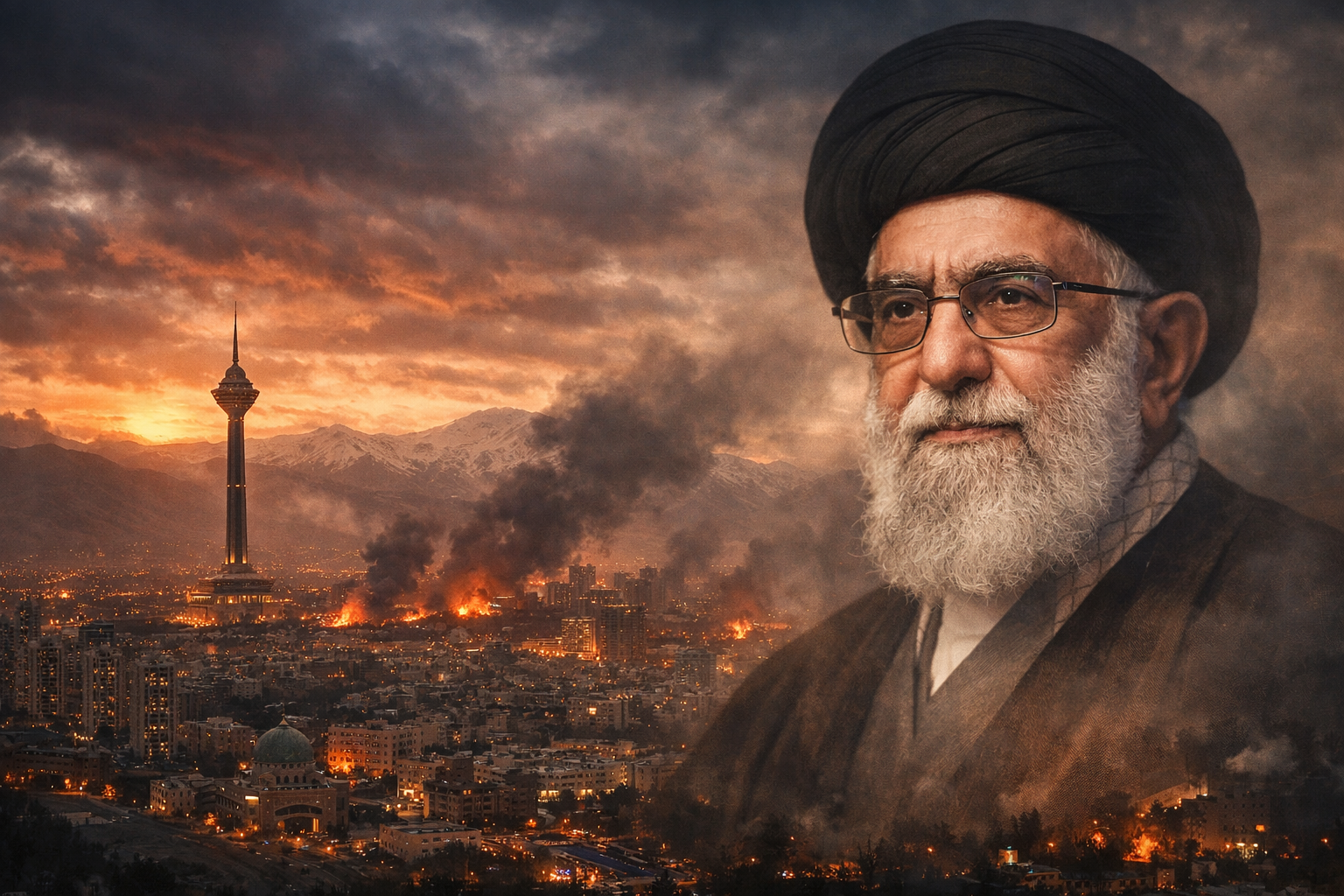
Ali Khamenei, the Supreme Leader of Iran, has died at the age of 86. He led the Islamic Republic from 1989 until he died in 2026. His passing marks a major turning point for Iran and the wider Middle East.
For nearly four decades, he was the most powerful figure in Iran. He shaped its politics, military policy, and foreign relations. His death now raises serious questions about who will lead next and how the country may change.
Who Was Ali Khamenei?
Ali Khamenei was born in 1939 in Mashhad. He became active in religious and political movements at a young age. After the 1979 Islamic Revolution, he rose quickly in power.
He served as president during the 1980s. In 1989, he became Supreme Leader after the death of Ayatollah Ruhollah Khomeini.
As Supreme Leader, he held ultimate authority. He controlled the armed forces, the judiciary, and state media. He had final say on foreign policy and major national decisions.
He was known for strong opposition to the United States and Israel. He backed Iran’s nuclear programme and supported allied groups across the region. At home, he ruled with strict control and allowed little political dissent.
How He Died
According to official reports, Khamenei was killed during a major military strike on Tehran. The attack targeted senior leadership and key security sites. His death was later confirmed by state media.
The strike followed years of rising tension between Iran, Israel, and the United States. These tensions centred on Iran’s nuclear activities and its role in regional conflicts.
His death marks one of the most dramatic moments in Iran’s modern history.
Iran’s Official Response
Iran declared a 40-day mourning period. State television showed large crowds gathering in major cities. Religious leaders praised him as a defender of the Islamic Republic.
Government officials condemned the attack and promised a response. Security forces were placed on high alert.
An interim leadership council was formed to manage affairs until a new Supreme Leader is chosen.
Public Reaction Inside Iran
Public reaction has been mixed.
Many supporters attended public mourning events. They viewed him as a symbol of strength and resistance.
Others reacted quietly or privately. Some citizens had opposed his rule for years. Protests in recent years showed growing frustration over economic hardship and social restrictions.
Fear remains high. Many people are unsure what will happen next.
How the Supreme Leader Is Chosen
Iran’s political system includes a body called the Assembly of Experts. This group of senior clerics selects the Supreme Leader.
The process can take time. It involves religious and political review. The new leader must meet strict religious and legal standards.
Some experts believe a hardline figure may replace him. Others think this moment could open space for change. Much depends on internal power struggles.
Global Reaction
The international response has been strong.
Israel and the United States described the operation as necessary for security. Leaders in both countries said it weakened a long-time opponent.
Russia criticised the strike and warned it could increase instability.
Several Middle Eastern countries urged calm. They fear wider conflict that could affect oil supplies and trade routes.
Protests linked to the event were reported in some countries. Security forces in those areas moved quickly to prevent unrest.
Regional Impact
Khamenei shaped Iran’s role in Iraq, Syria, Lebanon, and Yemen. He supported armed groups that expanded Iran’s influence.
His death may shift these alliances. Some groups may lose support or face new direction from Tehran.
Energy markets could also feel pressure. Any instability in the Gulf region often affects oil prices.
The balance of power in the Middle East may change in the coming months.
Economic Impact
Iran’s economy has struggled for years under sanctions. Inflation and unemployment remain high.
Political uncertainty can make economic conditions worse. Investors tend to avoid unstable regions.
Citizens worry about rising prices and job security. Any new conflict could add more strain.
The Legacy of Ali Khamenei
Khamenei leaves behind a divided legacy.
Supporters say he defended Iran’s sovereignty and Islamic values. They credit him with strengthening Iran’s military and regional presence.
Critics say he limited freedoms and oversaw harsh crackdowns on protests. They argue that economic hardship grew under his leadership.
Both views exist inside and outside Iran.
What Happens Next?
The coming weeks will be critical.
The Assembly of Experts must choose a successor. Security forces will aim to prevent unrest.
Regional powers will watch closely. Any shift in Iran’s leadership could reshape diplomacy and conflict in the Middle East.
Iran stands at a crossroads. The next leader will define the country’s path for years to come.