Table of Contents
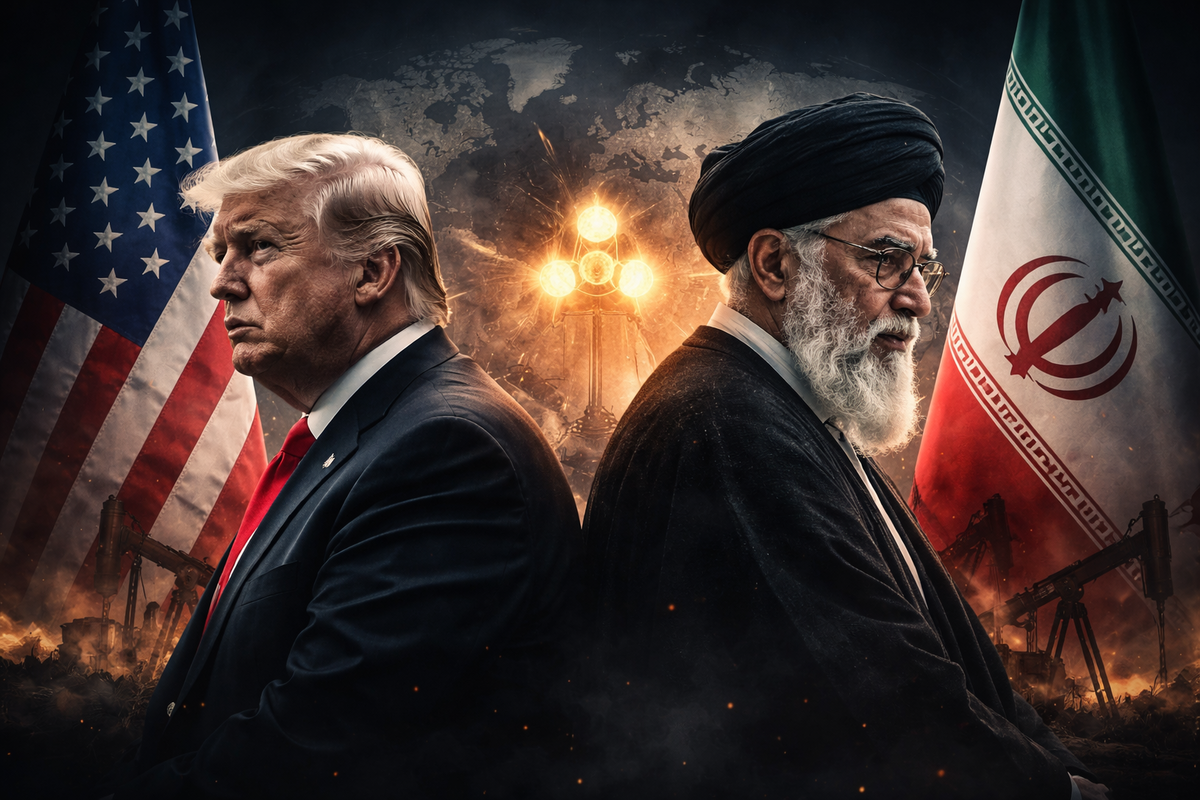
The recent exchange between Iran and the United States has gained global attention. Iran’s military said the US is “negotiating with itself.” This came after Donald Trump claimed that Iran wants a deal “very badly.” These two statements show a clear divide. Each side is telling a different story. This situation matters because it affects global politics, oil prices, and regional peace.
Background of US–Iran Relations
The tension between the US and Iran has existed for many years. It became serious after the 1979 Iranian Revolution. Since then, trust has remained low. The main issue today is Iran’s nuclear program. The US believes Iran could build nuclear weapons. Iran says its program is peaceful. In 2015, both sides agreed on a nuclear deal. Iran accepted limits, and sanctions were lifted. In 2018, the US left the deal under Donald Trump and reimposed sanctions. This decision increased tensions again.
Trump’s Statement and Its Meaning
Donald Trump recently said that Iran wants a deal badly. This statement shows confidence and a strong stance. It suggests that US pressure is working. Trump has always supported strict action against Iran. He believes that sanctions can force Iran to negotiate. His statement is also aimed at political audiences in the US. It helps build an image of strength and control.
Iran’s Response Explained
Iran’s military rejected Trump’s claim. They said the US is “negotiating with itself.” This means Iran does not accept that talks are happening. It also shows that Iran does not want to appear weak. The statement is meant to send a clear message. Iran wants to show that it is not under pressure and will not give in easily.
Why This Situation Matters
This is not just a simple exchange of words. It has global impact. When powerful countries send mixed signals, it creates uncertainty. Markets react quickly. Oil prices can change. Political alliances can shift. Even small statements can influence global decisions. That is why this topic is trending worldwide.
Role of Sanctions
Sanctions are a key part of this conflict. The US has placed strong economic restrictions on Iran. These affect oil exports, banks, and trade. Iran’s economy has suffered as a result. Inflation is high, and many people face financial problems. The US believes sanctions will push Iran to negotiate. Iran sees them as unfair pressure.
Iran’s Strategy
Iran follows a strategy of strength and resistance. It avoids showing weakness. It builds alliances in the region and increases its influence. It continues its nuclear activities within limits. Strong public statements are part of this plan. They help maintain control and send a message to both local and global audiences.
US Political Angle
Trump’s statement also has a political side. In the US, foreign policy is linked with public support. Strong statements can attract voters. By saying Iran wants a deal, Trump presents himself as a strong leader. This helps his political image and supports his overall strategy.
Media and Public Reaction
Media plays a major role in spreading this story. News channels and social media platforms share these statements quickly. Different sources present different views. Some focus on US strength, while others highlight Iran’s resistance. This creates a cycle where statements lead to reactions and more news.
Global Impact
This situation affects many parts of the world. Iran is a major oil producer. Tension can affect oil supply and prices. In the Middle East, Iran has influence in several countries. Increased tension with the US can lead to instability. This affects global security and economic balance.
Key Facts and Keywords Table
| Aspect | Details |
|---|---|
| Main Issue | Iran nuclear program and US sanctions |
| US Claim | Iran wants a deal badly |
| Iran Response | US is “negotiating with itself” |
| Key Figure | Donald Trump |
| Impact Areas | Oil prices, global politics, Middle East stability |
| Strategy (US) | Apply economic pressure through sanctions |
| Strategy (Iran) | Show resistance and avoid appearing weak |
| Trending Keywords | Iran US tensions, nuclear deal, Trump Iran deal, sanctions, geopolitics |
Nuclear Deal Importance
The nuclear deal is still the main issue. Without a deal, tensions may increase. Iran could expand its nuclear activities. This worries the US and its allies. With a deal, sanctions could be reduced, and tensions may ease. However, trust between both sides remains low, which makes progress difficult.
Possible Outcomes
There are several possible outcomes. Both sides may return to negotiations and reach a new deal. The standoff may continue with no major change. In a worst-case scenario, tensions could increase and lead to conflict. The future depends on decisions made by both sides.
Role of Other Countries
Other countries also play a role in this situation. European nations support diplomatic solutions. China and Russia often support Iran and oppose US sanctions. Gulf countries closely watch the situation because it affects their security. This makes the issue global rather than limited to two countries.
Economic Pressure vs Political Will
The US relies on economic pressure. Iran relies on political strength. This creates a balance. Sanctions may damage Iran’s economy, but Iran may still refuse to give in. This makes the situation complex and difficult to resolve.
Public Opinion
In Iran, people face economic challenges due to sanctions. Some want a deal to improve conditions, while others support resistance. In the US, opinions also differ. Some prefer strong action, while others support diplomacy. These public views influence political decisions.