Table of Contents
Iran has faced waves of protests and strict state action in recent years. The latest crackdown has again drawn global attention. Reports from journalists, activists, and residents describe a tense climate marked by fear, control, and silent resistance.
This article explores what life looks like inside Iran after the crackdown. It covers protest causes, government response, daily struggles, and the mood among ordinary people. It also looks at media limits, economic pressure, and the future of dissent.
Background: Why Protests Emerged
Public anger in Iran has grown over many issues. Economic hardship, social rules, and political limits have fueled frustration. Many young people feel cut off from jobs, freedom, and opportunity.
Past protests often began with a single event. Yet they quickly turned into broader demands for change. Demonstrations spread through cities, drawing students, workers, and women.
Social media helped share images and stories, despite heavy controls. These protests became a symbol of public discontent with the status quo.
Government Crackdown and Security Measures
Authorities responded with strong action. Security forces increased patrols and arrests. Protest gatherings were dispersed quickly. Reports suggest many activists and students were detained.
Internet limits were also used to slow protest spread. Messaging apps and social media platforms faced blocks or slow speeds. This made it harder for people to organise or share updates.
State media framed the crackdown as necessary to protect order and national security. Officials argued that unrest was influenced by foreign actors.
Daily Life Under Heightened Control
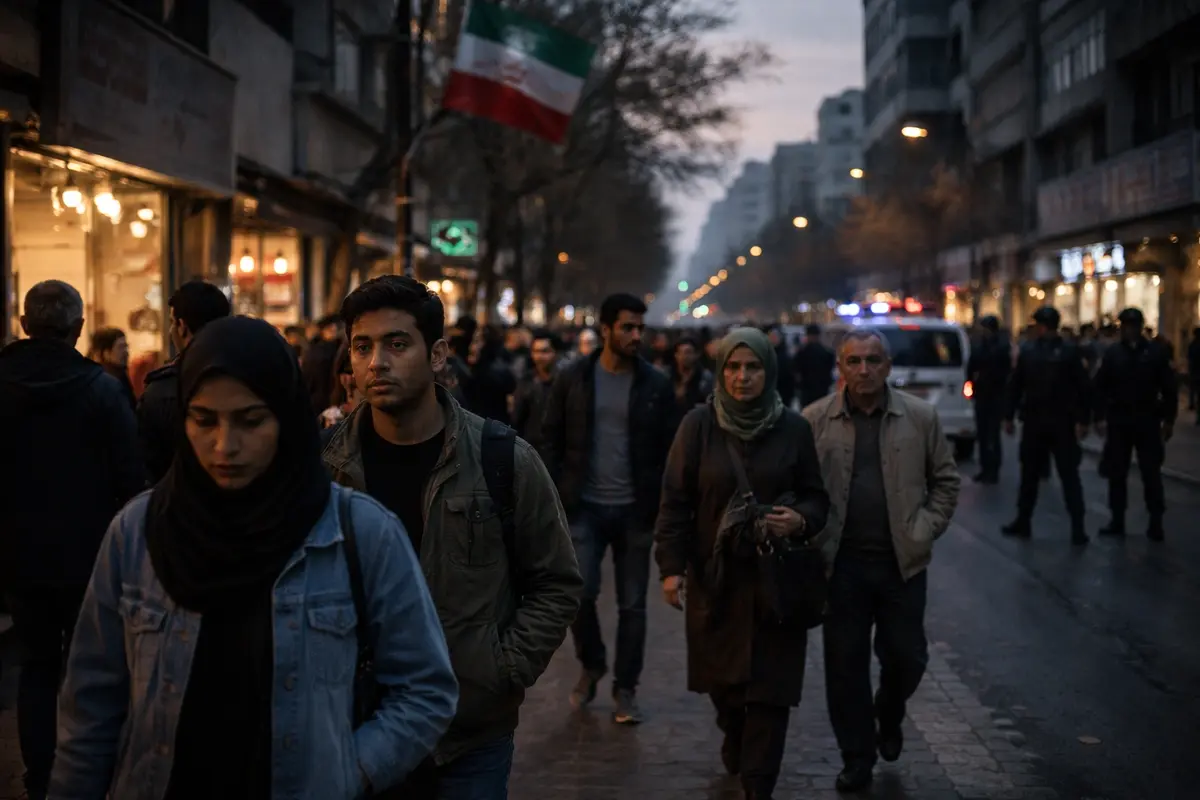
For many Iranians, daily life now carries a sense of caution. People often avoid open political discussion in public spaces. Families warn younger members to stay away from protests.
University campuses remain sensitive areas. Students say surveillance has increased. Some report disciplinary action for activism or online posts.
Public spaces feel quieter, yet tension remains beneath the surface. Conversations often move to private homes or encrypted messaging.
The Role of Women in Protest Movements
Women have played a central role in recent demonstrations. Issues related to dress codes and personal freedom have become major protest themes.
Many women joined rallies and shared symbolic acts online. These actions gained global support and attention. After the crackdown, women continue to face strict monitoring.
Despite pressure, some acts of quiet defiance remain visible in daily life. Observers say women’s participation has reshaped the protest narrative.
Economic Pressure and Public Frustration
Iran’s economy has struggled due to sanctions, inflation, and internal challenges. Rising prices and limited job prospects have deepened public frustration.
Young graduates face difficulty finding stable work. Small businesses report falling income. Currency value swings add uncertainty to everyday spending.
Economic hardship often feeds political anger. Many citizens see financial struggles as linked to governance and policy decisions.
Media Restrictions and Information Control
Media inside Iran operates under strict rules. Independent reporting is limited. Journalists risk arrest or pressure when covering protests.
Foreign media access is also restricted. This makes it difficult to verify events on the ground. Many Iranians rely on social media or satellite channels for news.
Information control remains a key tool for authorities during unrest. Yet digital networks still allow some stories to reach global audiences.
Youth Voices and Generational Change
Iran has a young population with strong digital awareness. Many young people use online platforms to express views and connect globally. This has shaped protest culture.
Youth activists often demand social freedom, economic opportunity, and political reform. Their expectations differ from older generations shaped by past conflicts.
The crackdown has not erased these aspirations. Instead, some analysts say it has pushed them into quieter forms of expression.
Internet Restrictions and Digital Resistance
Internet shutdowns have been a common response during unrest. Slower speeds and blocked platforms limit communication. This affects both activism and daily life.
Despite limits, people find ways to bypass restrictions. VPN tools and encrypted apps help share information. Digital resistance has become part of protest culture.
Online spaces allow stories and videos to reach the global community. This creates international awareness even during information blackouts.
Arrests, Trials, and Legal Pressure
Human rights groups report arrests of protesters, journalists, and activists. Some detainees face trials linked to security charges. Families often struggle to get information about loved ones.
Legal pressure also acts as a warning to others. Fear of arrest can discourage open protest. Yet some activists continue advocacy despite risks.
The legal response remains a key aspect of the crackdown’s impact.
Cultural Expression as Quiet Protest
Art, music, and film often reflect social tension. Some artists use subtle themes to express dissent. Cultural expression becomes a space for reflection and critique.
Poetry and underground music scenes have gained attention. Visual art shared online also conveys messages of identity and resistance.
These forms allow voices to be heard without direct confrontation.
Public Mood: Fear Mixed With Determination
The public mood is complex. Many people feel fear due to arrests and surveillance. At the same time, frustration and desire for change persist.
Conversations often reveal quiet determination. People may not protest openly, but they continue to discuss issues privately. This mix of caution and resolve shapes daily life.
Observers describe the situation as calm on the surface but tense underneath.
Impact on Education and Universities
Universities often act as centres of activism. After the crackdown, some campuses increased monitoring and security presence. Student groups faced limits on gatherings and activities.
Some professors and students reported disciplinary actions. Academic freedom debates have grown in this context.
Yet universities remain spaces where political ideas circulate, even quietly.
International Reaction and Diplomacy
Global governments and rights groups have expressed concern about the crackdown. Statements often call for restraint, dialogue, and respect for human rights.
Iran’s leadership rejects external pressure and frames unrest as internal matters. Diplomatic tension adds another layer to the situation.
International attention can raise awareness but also complicate domestic politics.
Sanctions and Their Social Impact
Economic sanctions continue to affect Iran’s economy. They limit trade, investment, and financial access. Many citizens feel the impact through higher prices and job scarcity.
Sanctions also influence public perception of both domestic and foreign policy. Some blame external pressure, while others focus on internal governance.
This debate shapes political discussions inside the country.
Social Trust and Community Bonds
Periods of unrest often test social trust. People become cautious about sharing views openly. Fear of surveillance can weaken public discussion.
At the same time, community bonds may strengthen. Families and close friends provide emotional support. Shared hardship can build solidarity.
This dual effect reflects the complex social impact of political tension.
Role of Religion and Identity
Religion remains a significant part of Iran’s social fabric. Yet debates over identity and personal freedom have grown. Some protests reflect tension between tradition and modern values.
Young people often navigate this balance in daily life. Identity discussions shape cultural and political dialogue.
These debates are likely to continue as society changes.
Future of Protest Movements in Iran
Predicting the future of protests is difficult. Crackdowns may reduce visible demonstrations. Yet underlying grievances often remain.
Economic pressure, youth aspirations, and social debates suggest that calls for change will persist. Future protests may take new forms, including digital activism or cultural expression.
The situation remains fluid and closely watched.
Lessons From Past Protest Cycles
Iran has experienced protest waves before. Each cycle shows patterns of mobilisation, crackdown, and temporary calm. Over time, these cycles shape political culture.
Past events suggest that public demands do not disappear after repression. Instead, they adapt and reappear in different ways.
Understanding this pattern helps explain current dynamics.
Psychological Impact on Citizens
Living under tension affects mental health. Anxiety, uncertainty, and fear can shape daily experiences. Families worry about safety and economic stability.
At the same time, hope and resilience remain present. Community support and personal coping strategies help people navigate challenges.
Mental health discussions have become more visible in Iranian society.
Diaspora Voices and Global Awareness
Iranians abroad play a role in sharing information and advocacy. Diaspora communities organise protests, campaigns, and media outreach. Their efforts keep global focus on events inside Iran.
This connection between domestic and global voices influences international debate. It also provides emotional support for those inside the country.