Table of Contents
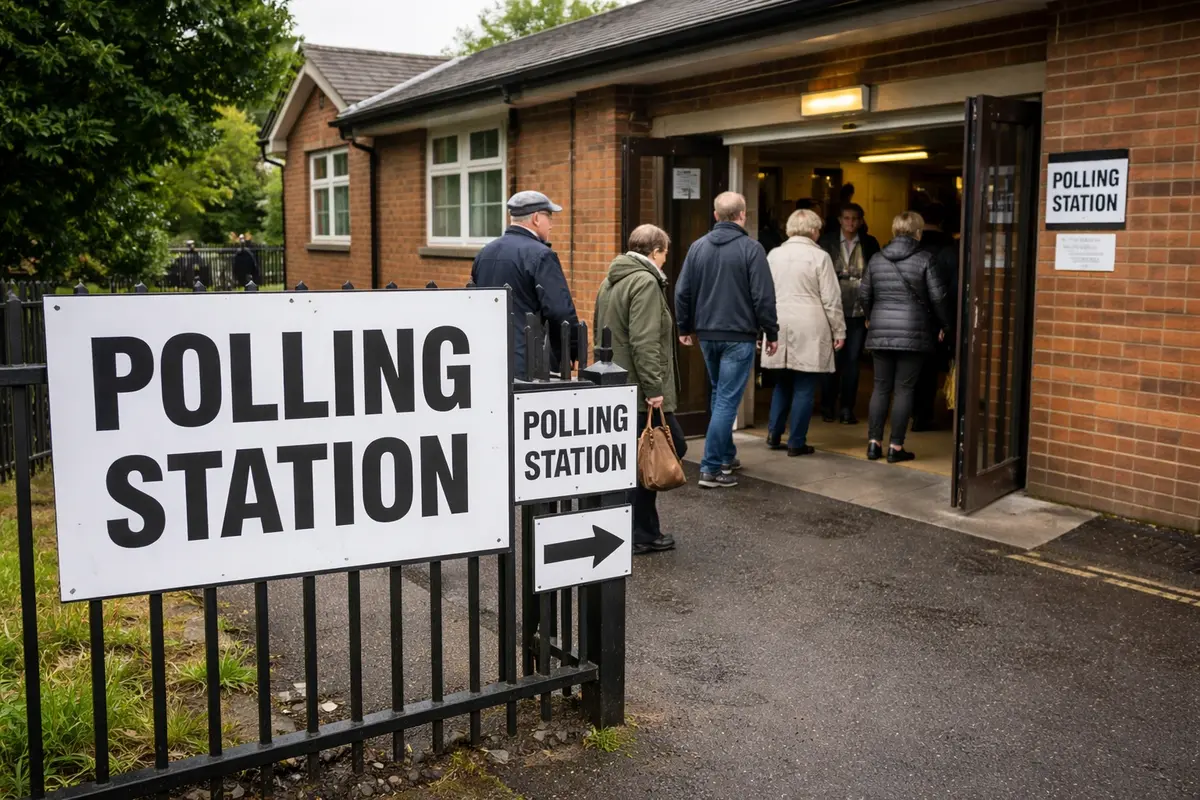
Voters in parts of Greater Manchester are taking part in a key by-election. The Gorton and Denton seat is now vacant. Polling stations opened at 07:00 GMT. They will close at 22:00. The vote will decide who becomes the next Member of Parliament for the area.
This by-election follows the resignation of former Labour MP Andrew Gwynne. He stepped down on 22 January due to ill health. His departure ended a long period of representation for the constituency. It also opened a contest that has drawn national interest.
The vote matters for local issues and wider politics. By-elections often show voter mood between general elections. Parties use them to test messages and support. Media attention has focused on the large number of candidates. The list includes major parties and smaller groups. Some independent and novelty candidates are also standing.
This article explains the background, candidates, local issues, party strategies, and expected impact. It also looks at how the result may shape future UK politics.
Background of the Gorton and Denton Constituency
Gorton and Denton lies in Greater Manchester. It covers urban neighbourhoods with a strong working-class history. The area includes diverse communities and many younger voters. Housing, jobs, and public services are key concerns.
Historically, the seat has leaned towards Labour. The party built strong support through local ties and union links. Previous elections saw comfortable Labour wins. However, recent political shifts across the UK have made by-elections less predictable.
Urban seats now face new challenges. Rising living costs and public service pressure affect voters. Migration, transport, and housing shortages also shape local debate. These issues have appeared often during the campaign.
The by-election offers a snapshot of how voters feel about national leadership. It also tests opposition parties hoping to gain ground in city seats.
Why the By-Election Was Triggered
The vote became necessary after Andrew Gwynne resigned. He cited health reasons for stepping down. His decision prompted a formal vacancy in Parliament. UK law requires a by-election when an MP leaves before a general election.
Gwynne served the constituency for many years. He held roles in government and opposition. His departure created both sadness and political opportunity. Parties moved quickly to select candidates and start campaigns.
By-elections often have lower turnout. Yet they can produce strong signals. Voters may use them to reward or punish parties. Local campaigns also play a bigger role than in general elections.
Polling Day Details
Polling day follows standard UK voting rules. Stations opened early in the morning. Voters can cast ballots until 22:00. Postal votes and proxy votes were also available before the day.
Election officials will count votes overnight. Results are expected late Thursday night or early Friday morning. Media coverage will focus on turnout and vote share swings.
Security and fairness rules apply as usual. Campaigning near polling stations is restricted. Volunteers help guide voters and check registration details.
For many residents, the day offers a chance to shape local leadership. Turnout levels may also reflect public interest in the contest.
List of Candidates
A wide mix of candidates is standing. The ballot includes major national parties and smaller groups. Some lesser-known parties aim to raise awareness rather than win.
Below is the official list in alphabetical order:
| Candidate | Party |
|---|---|
| Sir Oink A-Lot | Official Monster Raving Loony Party |
| Nick Buckley | Advance UK |
| Charlotte Cadden | Conservative Party |
| Dan Clarke | Libertarian Party |
| Matt Goodwin | Reform UK |
| Sebastian Moore | Social Democratic Party |
| Joseph O’Meachair | Rejoin EU Party |
| Jackie Pearcey | Liberal Democrats |
| Hannah Spencer | Green Party |
| Angeliki Stogia | Labour Party |
| Hugo Wils | Communist League |
The broad list highlights the open nature of UK elections. Smaller parties often use by-elections to gain visibility.
Labour’s Campaign Strategy
Labour enters the race as the favourite. The party selected Angeliki Stogia as its candidate. Campaign messaging has focused on public services and local investment. Housing and cost-of-living concerns feature strongly.
Labour activists have relied on door-to-door contact. Community meetings and local events form the core strategy. Party leaders also see the by-election as a test of national momentum.
Maintaining the seat is vital for Labour. Losing a traditional stronghold would raise questions about voter trust. A clear win, however, could reinforce confidence ahead of future national votes.
Conservative Party Approach
The Conservative Party candidate Charlotte Cadden faces a tough challenge. Urban Greater Manchester seats rarely favour Conservatives. Still, the party hopes to narrow the gap.
The campaign has focused on economic management and law and order. Conservatives also highlight infrastructure investment and job creation. National figures have shown limited involvement, reflecting realistic expectations.
A modest improvement in vote share would be seen as progress. It could suggest renewed support among some urban voters.
Liberal Democrats and Smaller Parties
The Liberal Democrats aim to position themselves as a moderate alternative. Jackie Pearcey’s campaign stresses local services and community voice. The party hopes to attract tactical voters.
Green Party candidate Hannah Spencer has centred her campaign on climate action and housing standards. Green campaigns often perform well among younger voters.
Reform UK, represented by Matt Goodwin, focuses on migration and governance issues. The party has gained attention in recent UK contests.
Other smaller parties, including the Social Democratic Party and Libertarian Party, bring niche policy ideas. The Rejoin EU Party appeals to pro-EU voters. Meanwhile, the Communist League promotes socialist policies.
The Official Monster Raving Loony Party adds humour to the ballot. Its presence reflects a long tradition of satire in UK politics.
Key Local Issues in the By-Election
Cost of Living
Rising energy bills and food prices remain top concerns. Many households feel pressure on budgets. Candidates have proposed different support measures.
Housing and Rent
Affordable housing is a major challenge. Rent levels continue to rise across Greater Manchester. Voters want stronger tenant protections and more building projects.
Public Services
Residents often raise NHS waiting times and GP access. Schools and transport also appear in local debates. Candidates promise funding and reform.
Jobs and Economic Growth
The area has seen job growth in services and retail. Yet wage growth has not matched living costs. Economic policy has become central to campaign messages.
Community Safety
Crime and anti-social behaviour are frequent concerns. Candidates propose policing support and youth programmes to address these issues.
Role of By-Elections in UK Politics
By-elections often act as political barometers. They occur between general elections and can shift media narratives. A strong result for opposition parties may signal trouble for the government.
Turnout tends to be lower than general elections. Yet motivated voters can create surprise outcomes. Campaign energy and local issues play larger roles.
Parties also use by-elections to test new messages. Candidates may try fresh policy angles or campaign styles. Analysts watch these contests for clues about voter priorities.
Voter Turnout Expectations
Turnout levels are uncertain. Factors include weather, campaign interest, and voter motivation. Urban by-elections sometimes struggle to attract high participation.
However, competitive races can boost turnout. Media coverage and local activism may encourage voters to take part. Postal voting also increases accessibility.
High turnout could suggest strong engagement. Low turnout may raise questions about voter apathy.
Media and National Attention
The by-election has drawn national media interest. The mix of candidates and political context adds to coverage. Analysts see the vote as a test of party momentum.
News outlets will track swings compared to previous elections. They will also examine demographic patterns and turnout differences. Social media campaigns have played a visible role during the contest.
National party leaders may comment on the result quickly. The outcome could shape short-term political messaging across the UK.
Possible Outcomes and Impact
Labour Hold
A Labour win would match historical patterns. It would reinforce the party’s urban support. A strong margin could boost morale before future elections.
Reduced Majority
If Labour holds but with a smaller margin, analysts may see warning signs. Opposition parties could claim progress and momentum.
Surprise Result
While less likely, by-elections can produce surprises. A strong showing by another party could reshape narratives. Smaller parties gaining votes may also influence future campaigns.
What Happens After the Result
The winning candidate will take the parliamentary seat quickly. They will represent local concerns in Westminster. Early priorities often include constituency casework and community engagement.
Parties will analyse results in detail. Vote share changes and turnout patterns guide future strategy. Media commentary will likely continue for days after the count.
Broader Political Context
This by-election takes place during a period of political change in the UK. Economic pressure and public service challenges shape voter attitudes. Trust in institutions and leadership remains a key topic.
Local contests like Gorton and Denton reflect wider debates. They show how national issues affect community voting behaviour. Parties view such elections as rehearsal for larger contests.