Table of Contents
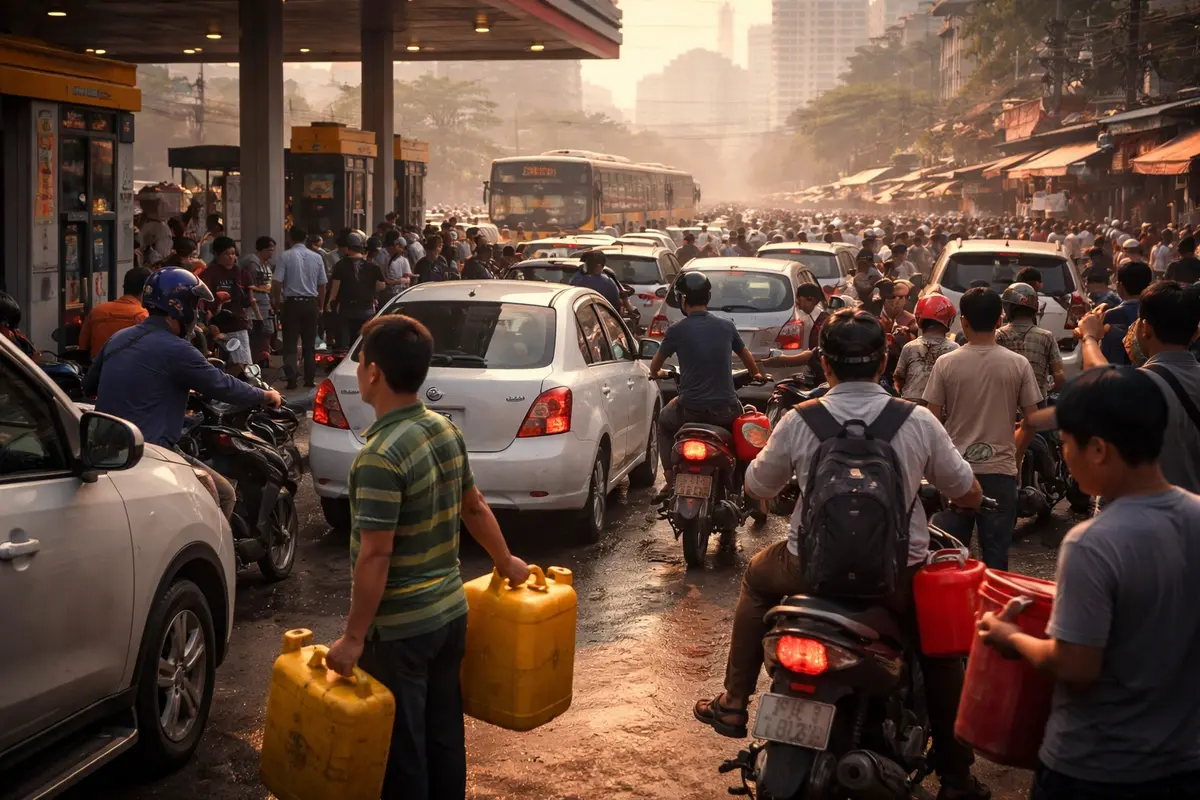
Daily life across Asia is under pressure due to a growing fuel crisis. The crisis is linked to rising tensions and conflict involving Iran. Fuel supply chains have been shaken. Prices have surged. This has started to affect transport, food costs, and basic living.
Many Asian countries depend heavily on oil imports. A large portion of that oil passes through the Middle East. When conflict disrupts supply, the impact spreads fast. The current situation shows how deeply energy is tied to everyday life.
This article explains how the Iran-related fuel crisis is affecting Asia. It also explores why this is happening and what may come next.
Understanding the Fuel Crisis
The fuel crisis did not appear suddenly. It built up as tensions in the Middle East increased. Iran plays a key role in global oil supply. It also sits near key shipping routes.
One of the most important routes is the Strait of Hormuz. A large share of the world’s oil passes through this narrow path. Any risk in this area affects supply.
When conflict rises, ships may avoid the route. Insurance costs increase. Delays become common. This leads to lower supply and higher prices.
Asian countries feel this impact quickly. Many rely on imported fuel to run their economies.
Why Asia Is Most Affected
Asia is one of the largest energy-consuming regions in the world. Countries like India, China, Japan, and South Korea import huge amounts of oil.
Unlike some Western nations, many Asian countries do not have large oil reserves. They depend on steady imports. Even small disruptions can create big problems.
Fuel is used in almost every part of daily life. It powers transport, factories, and power plants. When fuel prices rise, everything becomes more expensive.
This is why the crisis is hitting Asia hard.
Rising Fuel Prices
Fuel prices across Asia have increased sharply. Petrol and diesel costs have gone up in many countries.
This rise affects both businesses and households. People now spend more on transport. Public transport fares are also increasing.
For businesses, higher fuel costs mean higher operating costs. These costs are often passed on to customers.
This leads to a chain reaction. Prices of goods and services increase across the board.
Impact on Transportation
Transportation is one of the first sectors to feel the impact.
Truck drivers, taxi operators, and delivery services are all affected. Fuel is a major part of their expenses. When prices rise, profits fall.
In some areas, transport services have reduced operations. Others have increased fares. This makes travel more expensive for daily commuters.
Air travel is also affected. Airlines face higher fuel costs. Ticket prices may increase as a result.
Food Prices and Supply Chains
The fuel crisis also affects food supply.
Food needs to be transported from farms to markets. Higher fuel costs make this process more expensive. This leads to higher food prices.
In some regions, supply chains are slowing down. Delays in transport can cause shortages. Fresh food may spoil before reaching markets.
This creates pressure on both farmers and consumers.
Impact on Small Businesses
Small businesses are among the hardest hit.
Many small shops depend on daily deliveries. Rising fuel costs increase their expenses. They may have to raise prices or reduce stock.
Some businesses may struggle to survive. Lower demand and higher costs create a tough environment.
Street vendors and local traders also feel the pressure. Their margins are already small.
Household Struggles
The fuel crisis is affecting everyday households.
People now spend more on transport, food, and electricity. This reduces their ability to save money.
In some areas, families are cutting down on travel. Others are reducing energy use at home.
This shows how a global issue can reach into daily life.
Power Generation Challenges
Fuel is also used to generate electricity.
Some countries rely on oil and gas for power. When fuel becomes expensive, electricity costs may rise.
In extreme cases, power shortages may occur. This affects homes, schools, and businesses.
Stable energy supply is key to modern life. The crisis puts this at risk.
Government Response
Governments across Asia are trying to manage the situation.
Some have reduced fuel taxes to ease the burden. Others are offering subsidies.
However, these measures are often short-term. They cannot fully offset global price increases.
Governments also look for new suppliers. But shifting supply chains takes time.
Global Market Reactions
The fuel crisis is also affecting global markets.
Oil prices have become more volatile. Investors react quickly to news from the Middle East.
Shipping costs are rising due to risk. Insurance premiums for tankers have increased.
These factors add to the overall cost of fuel.
Role of Iran in the Crisis
Iran plays a central role in this situation.
It is a major oil producer. It also has influence over key shipping routes.
Any conflict involving Iran affects supply and market confidence.
Even the threat of disruption can push prices higher.
This shows how one region can impact the entire global system.
The Human Side of the Crisis
Behind the numbers, there are real human stories.
Workers struggle with rising costs. Families adjust their daily routines. Businesses fight to stay open.
In some areas, protests have started over fuel prices. People demand relief.
This shows how deeply the crisis affects society.
Key Facts and Keywords Table
| Aspect | Details |
|---|---|
| Main Issue | Fuel crisis linked to Iran conflict |
| Affected Region | Asia (India, China, Japan, South Korea) |
| Key Cause | Disruption in oil supply and shipping routes |
| Major Route | Strait of Hormuz |
| Main Impact | Rising fuel prices, transport costs, food prices |
| Economic Effect | Inflation and increased cost of living |
| Government Actions | Subsidies, tax cuts, alternative sourcing |
| Trending Keywords | Iran fuel crisis, Asia fuel prices, oil supply disruption, energy crisis |
Long-Term Risks
If the crisis continues, long-term effects may appear.
Inflation may stay high. Economic growth may slow down. Businesses may close.
Energy security will become a bigger concern. Countries may invest more in local energy sources.
This could change the energy landscape over time.
Shift Toward Alternative Energy
The crisis may push countries to explore other energy options.
Renewable energy sources like solar and wind may gain more attention.
Electric vehicles may also become more popular. They reduce dependence on fuel.
However, these changes take time and investment.
Regional Cooperation
Asian countries may need to work together.
Sharing resources and strategies can help manage the crisis.
Joint efforts can improve energy security.
This approach may reduce the impact of future disruptions.
What Happens Next
The future depends on how the situation develops.
If tensions ease, supply may stabilize. Prices could drop.
If conflict continues, the crisis may worsen.
Global markets will continue to watch closely.