Table of Contents
Rain is common in the UK. Still, the start of 2026 has tested that idea. The small Cornish village of Cardinham has now faced 50 straight days of rain. The last dry day was 30 December 2025. Data from the Met Office confirms this rare run.
Residents say the rain feels endless. Roads stay wet. Fields remain soaked. Rivers run high. The village has already passed its normal February rainfall. While the record of 72 wet days from 2000 still stands, this spell ranks among the worst in local memory.
The story goes beyond one village. Much of the UK has seen long runs of wet weather. Flood alerts have appeared across regions. The weather pattern behind this event also links to wider climate trends.
This article explains what caused the rain, how it affects communities, and what may happen next.
Cardinham: A Village Under Constant Rain
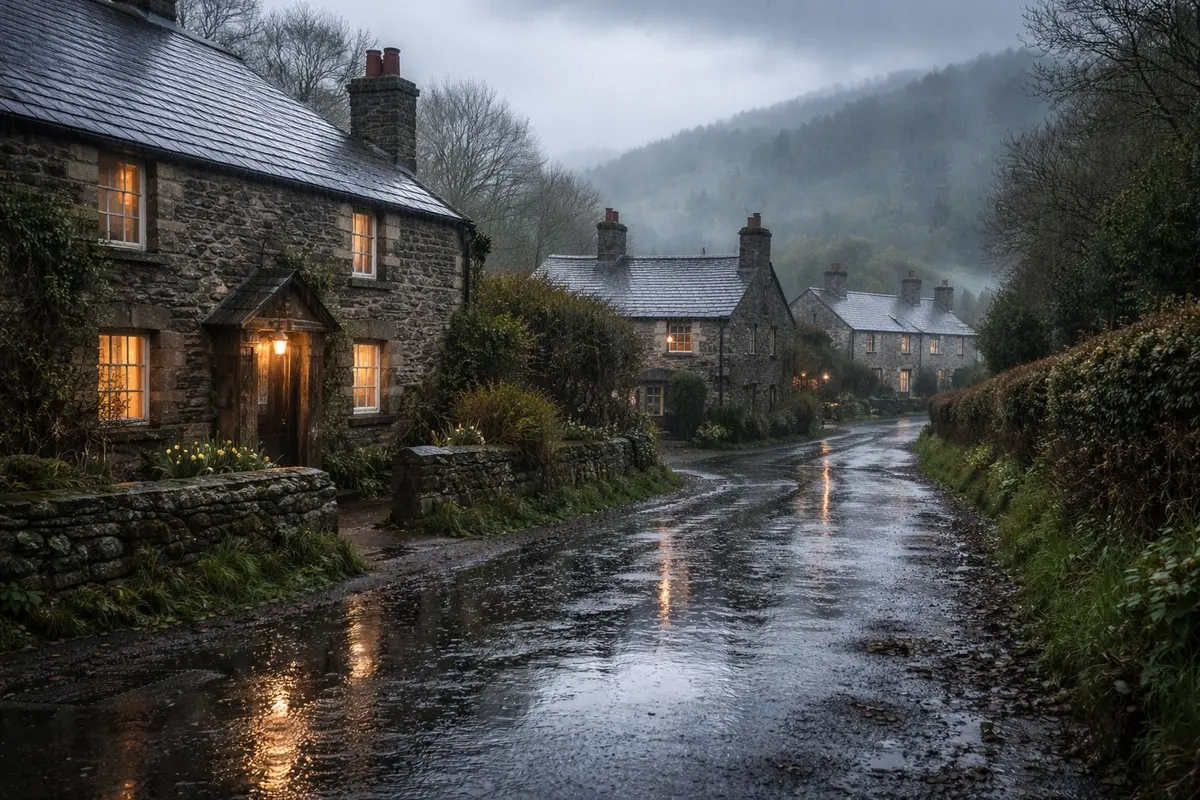
Cardinham sits in Cornwall’s green countryside. Rolling hills and woodlands define the area. The landscape often looks lush. Yet weeks of rain can turn beauty into stress.
Over the past 50 days, daily rain has shaped life in the village. Residents report muddy lanes, waterlogged gardens, and poor walking paths. Farmers face delayed work. Local streams rise faster after each shower.
The village had a similar event in 2000. That year, rain fell for 72 days. While the current spell is shorter, its intensity still feels heavy. Many residents say they cannot recall such persistent wet weather in recent years.
Rainfall totals show why. Cardinham has already exceeded its usual February average. This means that even if rain stopped today, the month would remain above normal levels.
Wet Weather Across the UK
Cardinham is not alone. Other areas across the UK have faced long rainy periods. The south-west region stands out. Towns such as Exeter, Liscombe, Camborne, and Okehampton have seen between 44 and 49 days of rain.
West Sussex also joined the list. Wiggenholt recorded 45 days of wet weather. Northern Ireland’s Katesbridge reached 40 days, with rainfall more than two and a half times its February average.
In West Yorkshire, Ryhill saw 36 consecutive wet days before a brief break. Scotland also reported high totals. Aboyne in Aberdeenshire has already recorded over half its yearly rainfall early in the year.
This pattern shows how widespread the event has become. The rain has not hit every region equally. Some areas in north-west England and parts of western Scotland have seen below-average rainfall. A few Highland areas even experienced nearly three dry weeks.
Why Has It Been So Wet?
Meteorologists point to a blocked weather pattern. This pattern formed shortly after the New Year. High pressure settled over northern and eastern Europe. Cold air stayed trapped under this system.
At the same time, Arctic air surges hit North America. These cold bursts strengthened the Atlantic jet stream. The jet stream then guided rain-bearing low pressure systems toward western Europe.
The high pressure block slowed these systems. Instead of moving east, they stalled near the UK, Spain, and Portugal. As one system passed, another followed. This created repeated rain events over the same regions.
This type of pattern can last weeks. When it does, rainfall totals rise quickly. Rivers cannot drain fully between storms. Ground remains saturated. Even light rain can then trigger flooding.
Climate Change and Wetter Winters
Scientists also link the wet start of 2026 to long-term climate trends. Winters in the UK are becoming warmer and wetter. A warmer atmosphere holds more moisture. This means storms can produce heavier rainfall.
Studies show that intense rain events have increased over recent decades. Flood risk has grown in many regions. Coastal areas and river valleys face the highest exposure.
The shift from drought to flood also reflects climate swings. Parts of the UK faced dry conditions through much of 2025. Soil dryness can reduce absorption at first. When heavy rain arrives, runoff increases, raising flood risk.
Cardinham’s experience fits this wider pattern. Rapid changes in rainfall now occur more often than before.
Impact on Local Communities
Persistent rain affects daily life in many ways. Transport becomes harder. Rural roads suffer damage from standing water and erosion. Potholes appear faster.
Homeowners face rising damp risks. Basements and ground floors remain vulnerable. Insurance claims often increase during such periods.
Mental health can also suffer. Lack of sunlight affects mood. Continuous grey skies and rain reduce outdoor activity. Residents may feel isolated.
Schools and businesses adjust schedules during flooding warnings. Local councils must monitor drainage systems and road safety. Emergency services prepare for water-related incidents.
Effects on Farming and Rural Economy
Cornwall and surrounding regions depend heavily on agriculture. Farmers face major challenges during prolonged rain. Waterlogged soil delays planting and harvesting. Machinery struggles in muddy fields.
Livestock health can also suffer. Wet ground raises disease risk. Animals may require indoor shelter for longer periods. Feed costs can rise as pasture quality drops.
Crop yields may decline if soil stays saturated. Root systems need oxygen. Excess water can harm growth and reduce productivity.
Local rural tourism also takes a hit. Visitors often avoid outdoor areas during wet spells. Footpaths and attractions become less accessible. Small businesses tied to tourism feel the impact.
Flooding Risks and Infrastructure Pressure
Flooding remains one of the biggest concerns during extended rain. Rivers across the UK have stayed high in recent weeks. Saturated ground cannot absorb additional water easily.
Urban areas face drainage pressure. Stormwater systems may overflow during heavy bursts. This can cause road flooding and property damage.
Bridges, culverts, and embankments also face stress. Repeated wet-dry cycles weaken structures. Local authorities must inspect and repair infrastructure more often.
The Environment Agency has issued alerts in several regions. Even minor rainfall now carries flood risk due to saturated conditions.
Why Some Areas Stayed Drier
The blocked weather pattern did not affect all regions equally. Parts of north-west England and western Scotland saw below-average rainfall. This occurred because the jet stream’s path focused storms further south.
Mountain ranges also play a role. Western hills often receive heavier rain due to orographic lift. When moist air rises over hills, it cools and releases precipitation.
In this event, shifting storm tracks spared some regions temporarily. Yet forecasts suggest rainfall distribution may change as weather patterns adjust.
Short-Term Weather Outlook
Forecasts indicate a brief rise in temperatures this weekend. Some areas may see highs of 15–16°C. Mild south-westerly winds will bring warmer air.
However, warmer weather does not mean dry conditions. Rain is expected to continue across many regions. Showers may become more scattered, but persistent systems remain possible.
The Met Office says prolonged dry weather is unlikely before mid-March. Weather will stay changeable. Some areas may see brighter spells, while others remain wet.
The blocked pattern has begun to weaken. Low pressure systems will now move more freely. This means rainfall will shift between regions rather than stay fixed over one area.
Longer-Term Outlook for Spring 2026
As spring approaches, rainfall patterns often become more variable. Showers may alternate with sunny periods. Yet saturated ground may keep flood risk elevated.
Climate models suggest continued wet episodes through late winter. Storm tracks may shift north or south depending on jet stream changes. This uncertainty makes precise forecasts difficult.
If dry spells appear, they may help rivers fall and soil recover. Still, recovery takes time after extended rain. Water tables may remain high for weeks.
Lessons from Cardinham’s Rain Spell
Cardinham’s experience highlights several lessons. First, local weather extremes can last longer than expected. Second, climate trends are shaping rainfall patterns. Third, rural communities need strong flood preparedness.
The event also shows how small villages can become climate case studies. Data from such areas helps scientists track changing weather patterns. Long rainfall runs offer valuable insights into atmospheric behaviour.
Preparedness and Adaptation
Communities across the UK are adapting to wetter winters. Flood defences have expanded in many regions. Natural flood management, such as wetland restoration, helps slow water flow.
Households are also taking steps. Flood barriers, improved drainage, and insurance planning reduce risk. Farmers adopt soil management practices to improve drainage and resilience.
Local councils invest in monitoring systems. Early warnings allow faster response to rising water levels. These measures help reduce damage during prolonged rain events.
Public Awareness and Media Attention
The Cardinham rain story has gained attention across media and social platforms. Weather extremes often capture public interest. They offer a clear example of how climate and atmospheric patterns affect daily life.
Trending discussions focus on climate change, flooding, and UK weather patterns. Many people share photos of flooded landscapes and grey skies. These visual records add to public awareness.
Media coverage also helps communities share concerns and seek support. It can encourage policy discussions on climate adaptation and infrastructure investment.