A major political dispute has emerged between the United States and the United Kingdom during the recent Iran conflict. The disagreement began after the UK refused to allow the United States to use British military bases for the first wave of strikes on Iran.
Former US President Donald Trump publicly criticised UK Prime Minister Sir Keir Starmer. Trump told reporters that Starmer was “no Winston Churchill.” The remark sparked strong debate across political circles in Britain and the United States.
The dispute centres on the use of British military bases during US-Israel strikes on Iranian targets. The United States asked to use the base at Diego Garcia, located in the Indian Ocean. The UK government declined the request at first.
Trump said the decision forced American aircraft to fly much longer routes. He argued that using the base would have made the operation easier and faster.
The disagreement highlights a deeper issue within Western alliances. It raises questions about military cooperation, national interests, and how far countries should support each other during conflicts.
This article explains the full situation. It examines the Iran strikes, the UK decision on military bases, Trump’s criticism, and the broader impact on global politics.
The Conflict That Led to the Dispute
The dispute began during rising tensions in the Middle East. The United States and Israel carried out air strikes against Iranian military sites. These strikes aimed to weaken Iran’s missile systems and military infrastructure.
Iran responded quickly. The country launched missile and drone attacks across parts of the region. These attacks raised fears of a wider war.
Several countries began reviewing their security positions. Military bases belonging to Western countries suddenly faced increased risk.
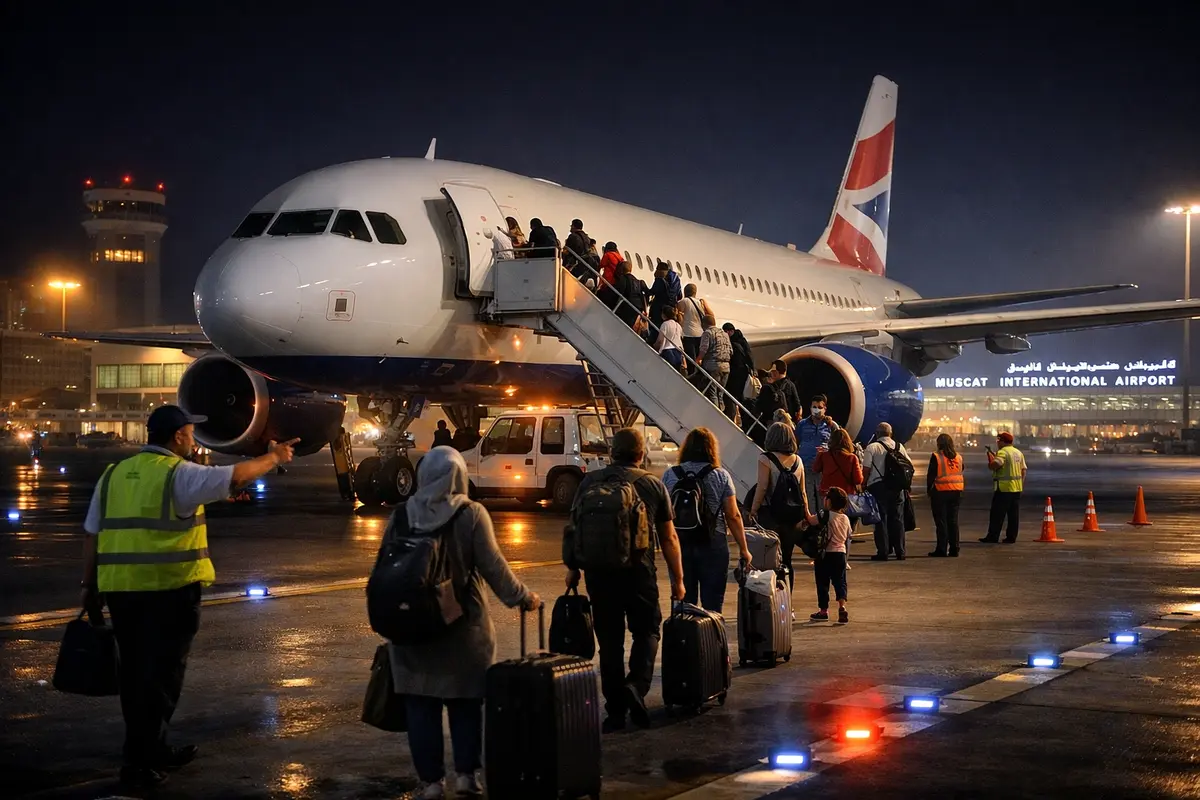
The conflict also disrupted travel and security operations across the Gulf region. Governments started preparing evacuation plans for their citizens.
The situation created pressure on allied nations to decide how much support they would give the United States.
For the United Kingdom, the decision was not simple. The government had to balance alliance commitments with national interests.
Why the United States Requested British Military Bases
During the operation against Iran, the United States asked to use British military bases. One of the most important locations was Diego Garcia.
Diego Garcia sits in the Indian Ocean and hosts a joint US-UK military facility. The base is used by long-range bombers, naval forces, and surveillance aircraft.
Because of its location, aircraft launched from Diego Garcia can reach the Middle East more quickly. This makes it valuable for military operations in the region.
American officials believed using the base would shorten flight times for aircraft involved in the strikes.
Without the base, US aircraft had to travel longer routes. This meant increased fuel use and longer missions.
Donald Trump later argued that the UK refusal caused delays for American forces.
The UK Government’s Decision
Prime Minister Keir Starmer defended the UK’s decision during a speech to Members of Parliament.
Starmer said Britain did not support “regime change from the skies.” This phrase refers to attempts to remove governments using air strikes alone.
The prime minister explained that Britain did not want to participate in the first round of attacks against Iran.
According to Starmer, the government believed the strikes could increase tensions in the region.
He said his responsibility was to protect Britain’s national interest. That interest included avoiding unnecessary involvement in a new Middle East conflict.
Many British leaders remain cautious about military intervention. Past conflicts in Iraq and Afghanistan left a strong mark on public opinion in the UK.
Because of this history, the government took a careful approach to the situation.
Trump’s Reaction to the UK Decision
Donald Trump responded strongly after learning about the UK refusal.
Speaking to reporters in the Oval Office, he said he was “not happy with the UK.”
Trump described the decision as shocking. He also criticised how the situation around the Diego Garcia base was handled.
According to Trump, the refusal forced American planes to fly many extra hours before reaching their targets.
He suggested that the decision created unnecessary complications for US military operations.
Trump then compared Starmer to Winston Churchill. He said the British prime minister was “no Winston Churchill.”
The comment quickly gained attention across global media.
Political commentators debated whether the remark was fair or simply part of political rhetoric.
Why Winston Churchill Was Mentioned
Winston Churchill remains one of the most famous leaders in British history. He served as prime minister during World War II.
Churchill became known for his strong leadership during a time of national crisis. He built close cooperation with the United States while leading Britain against Nazi Germany.
Because of this history, Churchill often represents decisive wartime leadership.
Trump used the comparison to suggest that Starmer lacked similar determination.
However, critics argue that comparing modern conflicts with World War II is misleading.
World War II involved clear global alliances and a direct fight against dictatorship.
Modern conflicts often involve more complex political situations.
The Iran crisis includes regional rivalries, military alliances, and nuclear concerns.
For that reason, many analysts believe the Churchill comparison oversimplifies the situation.
Britain’s Position Changed After Iranian Attacks
Although Britain refused the initial request, the situation changed later.
Iran launched missile and drone attacks after the US and Israeli strikes.
These attacks threatened Western allies and military bases across the region.
British citizens and interests in the Middle East also faced possible danger.
Because of this new threat, the UK government changed its position.
Britain agreed to allow US forces to use certain British bases for defensive strikes.
These strikes focused on Iranian missile infrastructure.
The goal was to reduce the threat of further attacks.
This decision showed that Britain was willing to assist with defence operations.
However, the government still avoided direct involvement in the first wave of offensive strikes.
Security Concerns for British Military Bases
The conflict also increased security concerns around British military bases overseas.
One important base is located at Akrotiri in Cyprus. This base supports British aircraft and intelligence operations.
During the recent escalation, a drone strike reportedly hit near the base.
This raised alarm among British defence officials.
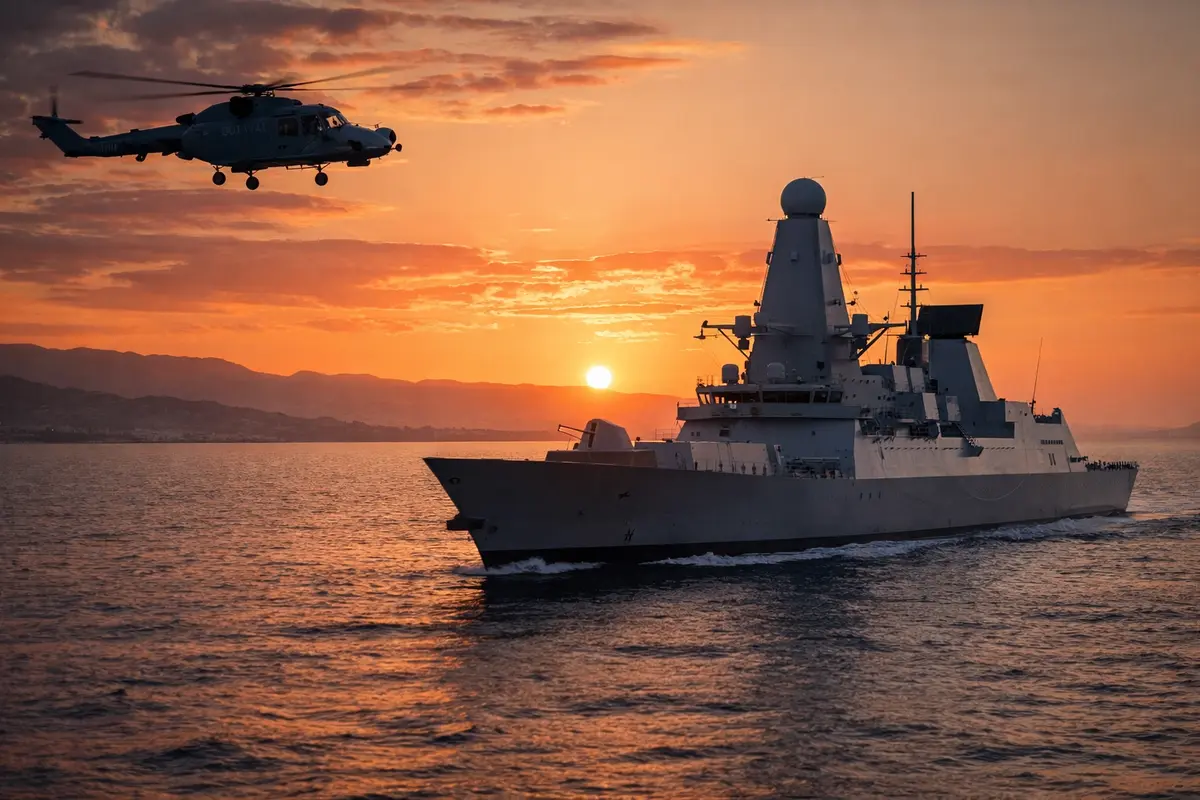
To strengthen protection in the region, the Royal Navy deployed the destroyer HMS Dragon.
The ship was sent to the Mediterranean to help protect British forces and facilities.
Military leaders said the deployment aimed to prevent further attacks on UK bases.
The move shows how the Iran conflict is affecting security beyond the immediate battlefield.
Political Reactions in the United Kingdom
Trump’s remarks about Starmer triggered political debate in Britain.
Some politicians defended the prime minister’s decision. They argued that the UK should act independently when deciding on military involvement.
Others criticised the government for not supporting the United States more strongly.
The United States and the United Kingdom have long maintained a close defence partnership.
This relationship is often called the “special relationship.”
For decades, both countries have worked together on military operations and intelligence sharing.
Because of this history, disagreements between the two nations attract significant attention.
Despite the dispute, officials from both governments say cooperation remains strong.
Impact on the US-UK Alliance
The disagreement highlights how complex modern alliances can be.
Allies often share goals but disagree on methods.
The UK and US continue to cooperate in intelligence, defence, and global security.
However, each country still makes decisions based on its own national interests.
In this case, Britain chose to limit its role in the initial strikes.
The United States preferred broader support from its allies.
Such differences are common during international conflicts.
They reflect the balance between partnership and national independence.
Global Concerns About the Iran Conflict
The dispute between Trump and Starmer comes during a tense moment in global politics.
Many countries worry that the Iran conflict could expand into a wider war.
Iran has strong influence across several parts of the Middle East.
Any large military escalation could affect regional security and global trade routes.
Energy markets are also watching the situation closely.
The Middle East remains a major source of global oil supply.
Military tensions in the region can quickly affect energy prices and economic stability.
Because of these risks, many governments are urging restraint.
Diplomatic efforts may still play an important role in preventing further escalation.
Key Facts About the Trump-Starmer Dispute
| Topic | Details |
|---|---|
| Main Issue | Use of UK military bases for US-Israel strikes on Iran |
| Key Base | Diego Garcia in the Indian Ocean |
| UK Decision | Refused use for initial offensive strikes |
| Later Change | Allowed defensive strikes on Iranian missile targets |
| Trump’s Reaction | Said he was “not happy with the UK” |
| Famous Quote | Trump said Starmer is “no Winston Churchill” |
| Security Response | HMS Dragon sent to protect UK base in Cyprus |
What May Happen Next
The situation between the United States, the United Kingdom, and Iran continues to evolve.
Military leaders are monitoring the region closely.
More defensive deployments could occur if tensions increase.
Diplomatic talks may also take place to reduce the risk of further escalation.
For the UK and US, maintaining cooperation remains important.
Even when disagreements occur, both countries share strong defence ties.
The future of the conflict will depend on how Iran, the United States, and regional allies respond in the coming weeks.