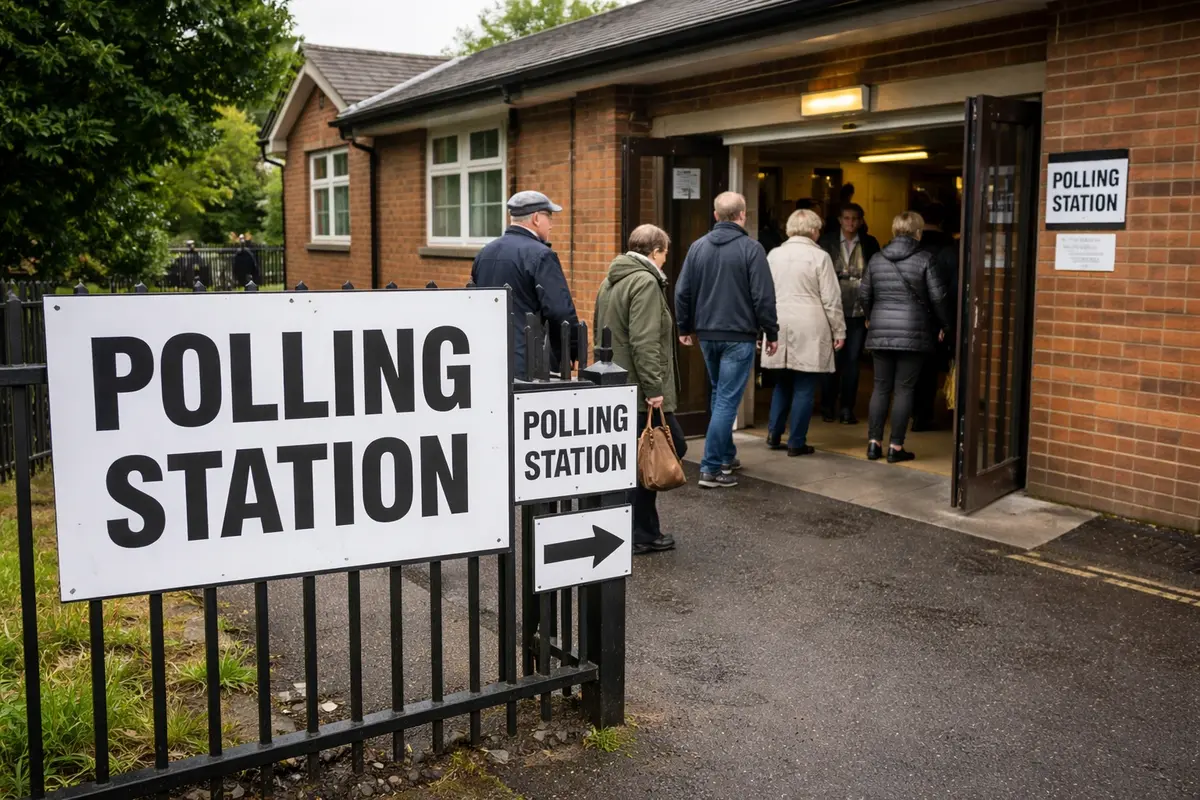
The UK political scene has seen a rare shift. The Green Party has secured its first ever Westminster by-election victory. This result came in Gorton and Denton, a seat once safe for Labour. The outcome has sparked debate across parties and raised serious questions for Labour leader Keir Starmer.
This result is more than a local upset. It signals voter mood changes and growing support for smaller parties. It also shows how tactical errors and policy tensions can reshape electoral contests. The impact will echo beyond one constituency and could shape future general election strategies.
A Historic Moment for the Green Party
The Green Party’s win marks a major step in its political journey. For decades, the party struggled to break into Westminster through by-elections. While Greens have held a small presence in Parliament, this victory carries symbolic weight.
By-elections often act as protest votes. Yet this result suggests deeper support. Voters were willing to shift away from traditional party loyalty. The Greens managed to present themselves as a clear alternative to Labour and Reform UK.
This win places the Greens in national headlines and boosts party morale. It may also strengthen fundraising, membership growth, and media coverage. Success in one seat can create momentum, even if replicating it nationwide remains difficult.
Why Gorton and Denton Matters
Gorton and Denton was not expected to flip. Labour had a strong majority here during the 2024 general election. They secured more than half of the vote and led by over 13,000 ballots.
That context makes the defeat more striking. A seat with deep Labour roots turning Green reveals a shift in voter trust. Local concerns, campaign choices, and national narratives all played a role.
Many analysts see this as a warning sign. Safe seats are no longer guaranteed. Voters appear more open to alternatives when they feel unheard or disappointed.
Labour’s Third-Place Finish: A Political Shock
The biggest story of the by-election may be Labour finishing third. This outcome was the party’s worst-case scenario. It signals both tactical missteps and broader political challenges.
Party insiders quickly expressed concern. Some MPs argued the result reflected confusion about Labour’s direction. Others pointed to campaign decisions that may have weakened support.
The defeat also raised questions about candidate selection. Supporters of Greater Manchester Mayor Andy Burnham believe he could have changed the result. His local popularity might have helped Labour hold the seat.
Starmer Faces Strategic Questions
Keir Starmer now faces two pressing questions. The first relates to candidate choice. Should Labour have chosen a figure with strong local recognition like Andy Burnham? Candidate identity often matters more in by-elections than party branding.
The second question concerns Labour’s policy focus. Critics say Labour spent too much time countering Reform UK. This may have left space on the left for the Greens to attract voters.
Balancing threats from both sides is difficult. Parties must defend core voters while appealing to new ones. Labour’s challenge now is to avoid losing support on either flank.
Reform UK’s Role in the Contest
Reform UK also shaped the election narrative. The party’s growing presence has pressured Labour to address right-leaning voter concerns. This has led to debate over whether Labour has shifted too far toward Reform’s messaging.
Reform candidate Matt Goodwin criticised the Green Party after the result. He argued the Greens would struggle to repeat the success nationwide. Yet Reform’s own rise contributed to a fragmented vote.
Multi-party competition increases uncertainty. Voters now have several alternatives, which can split traditional vote bases and produce surprise outcomes.
Voter Behaviour and Protest Voting
By-elections often allow voters to send messages without changing government. Some analysts view the Green victory as a protest vote against Labour. Others see it as a sign of genuine support for Green policies.
Local campaigns also matter. The Greens focused on community issues, climate concerns, and public services. This approach may have resonated with voters seeking change.
The result suggests that voter loyalty is weaker than in past decades. Electorates are more fluid and willing to experiment with new options.
The Left-Wing Competition Labour Feared
Labour has long worried about challenges from the right. Reform UK has dominated that conversation. Yet the Green Party represents a different threat from the left.
This by-election showed that risk in practice. Labour lost support not only to Reform but also to the Greens. Competing on two fronts complicates campaign strategy and messaging.
Some Labour MPs fear that policy ambiguity can push voters toward clearer alternatives. Greens can attract those prioritising climate action and social justice. Reform appeals to voters focused on migration and economic concerns.
Internal Labour Debate Begins
Reports from the count centre suggest Labour MPs began discussing the defeat immediately. Some messages reflected frustration with leadership decisions. Others called for policy clarity and stronger local engagement.
Internal debate is common after election losses. Yet third place in a former stronghold raises deeper concerns. The party must assess whether the defeat reflects local factors or broader trends.
Labour’s leadership will likely conduct a detailed review. This will examine campaign messaging, candidate choice, and voter outreach. Lessons from one seat can inform national strategy.
Andy Burnham’s Absence and Its Impact
Andy Burnham’s name became central to post-election discussion. His supporters argued he would have been a stronger candidate. Burnham’s profile and local ties might have helped Labour retain voters.
Candidate selection often balances loyalty, experience, and strategic value. Choosing the right candidate can shape turnout and voter enthusiasm. Burnham’s absence highlights how individual figures can influence outcomes.
The debate also reflects tensions between national leadership and regional influence. Strong local leaders can energise campaigns but may challenge central control.
Green Party Strategy: Local Focus, Clear Message
The Green Party’s campaign leaned on local concerns and clear messaging. They emphasised climate action, public services, and community engagement. This approach allowed them to stand apart from larger parties.
Smaller parties often succeed when they offer clarity and authenticity. Voters may respond to focused campaigns that address specific local issues. Greens also benefited from volunteer enthusiasm and grassroots support.
Their victory suggests that targeted campaigning can overcome resource gaps. Even without major funding, strong local networks can drive turnout.
Media Reaction and Political Commentary
Political commentators quickly labelled the result historic. Media coverage focused on Labour’s defeat as much as the Green victory. This reflects the broader significance of the outcome.
The story has sparked debate about party competition, voter realignment, and the future of UK politics. Analysts are asking whether this signals a wider shift or a unique local event.
Media narratives can shape public perception. Continued coverage may influence future voter attitudes and party strategies.
Implications for Future By-Elections
Future by-elections may now feel less predictable. Parties will treat contests as tests of national mood. Smaller parties could view this result as encouragement to invest in targeted campaigns.
Labour will likely reassess how it defends safe seats. Greens may focus on constituencies with similar demographics and political dynamics. Reform will continue to challenge traditional parties from the right.
Increased competition could lead to more fragmented results. This may change campaign tactics and resource allocation across parties.
Potential Impact on the Next General Election
While by-elections differ from general elections, they can signal trends. This result highlights voter willingness to shift allegiance. It also shows that safe seats can become competitive.
For Labour, the lesson is clear: maintaining broad appeal is essential. Losing voters on either side risks splitting support and reducing majorities. Greens may aim to build on this momentum, even if nationwide gains remain uncertain.
The next general election will test whether this result reflects a broader trend or a one-off upset.
Key Themes Emerging from the Result
Several themes stand out from the by-election:
- Rising support for smaller parties
- Weakening loyalty to traditional party strongholds
- Importance of candidate selection
- Impact of local campaigning
- Growing multi-party competition
These themes reflect wider changes in UK politics. Voters now have more choices and expect clearer messaging from parties.
Lessons for Political Campaigns
Political campaigns must adapt to changing voter behaviour. Local engagement, strong candidates, and clear messaging are vital. Parties can no longer rely solely on historical loyalty.
Campaign strategy must also account for multi-party competition. Messaging that appeals to one group may alienate another. Balancing priorities is essential for electoral success.
The Green victory shows that grassroots campaigns can overcome structural disadvantages. Authentic messaging and community focus remain powerful tools.
The Broader Context of UK Political Change
The UK political landscape has been shifting for years. Brexit debates, economic pressures, and social issues have reshaped voter priorities. Smaller parties have gained visibility and influence.
This by-election reflects those broader changes. Voters appear more willing to reconsider party allegiance. Political identity is less fixed than in previous decades.
Such shifts create both risks and opportunities. Established parties must adapt, while smaller parties can expand their reach.
Public Trust and Political Identity
Public trust plays a key role in electoral outcomes. When voters feel disconnected from major parties, they may seek alternatives. This dynamic often benefits smaller parties with clear narratives.
The Green Party’s win suggests that trust and authenticity matter. Voters may prioritise perceived sincerity over party size. Labour’s challenge is to rebuild trust among supporters who feel uncertain.
Trust also affects turnout. Engaged voters are more likely to participate, which can shape by-election outcomes.
What Comes Next for Labour
Labour’s next steps will involve reflection and adjustment. Leadership may review policy messaging and campaign tactics. Engaging with grassroots members will also be important.
The party must balance national priorities with local concerns. Strong local campaigns can prevent future surprises. Clear communication about policy direction may help retain support.
Labour’s response to this defeat will shape perceptions ahead of future elections.
What Comes Next for the Green Party
For the Greens, the challenge is building on momentum. Maintaining visibility and delivering effective representation will be crucial. Success in one seat raises expectations among supporters.
The party may target similar constituencies where voter dissatisfaction is high. However, scaling local success to national gains remains difficult. Resource limits and electoral systems pose challenges.
Still, the victory strengthens the party’s credibility and influence.
Final Thoughts: A Turning Point or One-Off Upset?
The Green Party’s by-election win is a landmark moment. It highlights changing voter behaviour and rising multi-party competition. Labour’s defeat adds pressure on leadership and strategy.
Whether this result signals a broader trend remains unclear. By-elections can produce unusual outcomes. Yet they often reveal underlying voter sentiment.
This contest has sparked debate, reflection, and strategic recalibration across UK politics. Its effects may shape future campaigns and political narratives for years to come.