Global politics is once again under pressure as trade and power collide. The United Kingdom’s growing business engagement with China has triggered sharp reactions from the United States. This tension became public when US President Donald Trump warned that it was “very dangerous” for the UK to do business with China. His comments came during Prime Minister Sir Keir Starmer’s high-profile visit to Beijing and Shanghai. The warning sparked debate across political, business, and security circles. It raised questions about alliances, economic priorities, and global influence in a changing world.
This issue matters because it involves three of the world’s most powerful economies. The United States remains the UK’s closest ally. China is one of the UK’s largest trading partners. Decisions made now could shape global trade and diplomacy for years.
Why This Issue Is Trending Worldwide
This story is trending because it sits at the center of global power shifts. China continues to expand its economic reach across Asia, Europe, and Africa. The United States sees this growth as a strategic threat. The UK finds itself in the middle, trying to protect its economy while maintaining strong alliances.
Sir Keir Starmer’s visit to China was not symbolic. It was practical and economic in nature. New agreements were announced. Trump’s warning turned a routine diplomatic visit into a global headline. The clash revealed deep differences in how Western allies approach China.
Donald Trump’s Warning to the UK
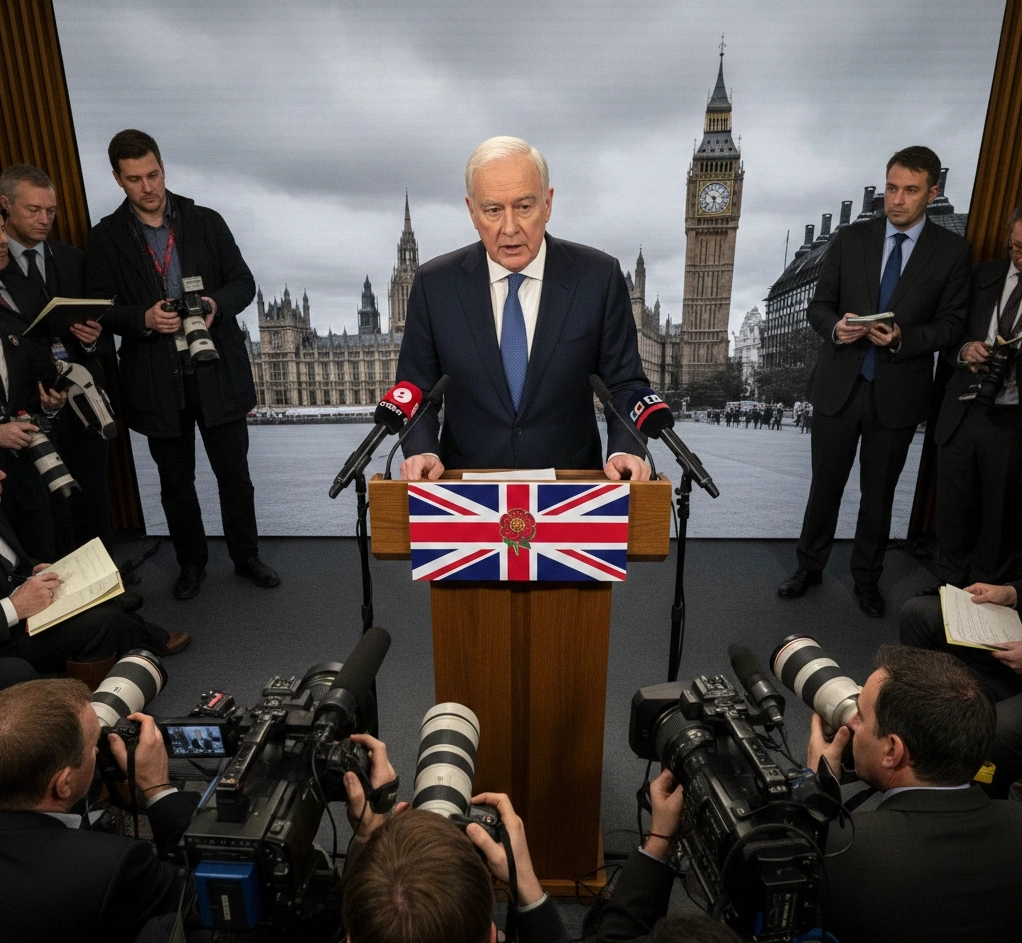
Donald Trump made his remarks during a public event. When asked about the UK increasing business with China, he responded bluntly. He said such engagement was “very dangerous.” He did not provide detailed reasons. His tone suggested concern over security and influence.
Trump also extended similar warnings to Canada. He argued that China should not be viewed as a solution to economic problems. At the same time, he referred to Chinese President Xi Jinping as a friend and said he knew him well. This mix of criticism and personal warmth added to the confusion around his message.
Trump’s comments reflect a broader US policy. The United States wants allies to limit reliance on China. It views economic ties as potential security risks. This approach has shaped US trade policy for years.
The UK Government’s Response
The UK government rejected Trump’s warning. Officials stated that ignoring China would be unrealistic. China plays a major role in global trade and manufacturing. UK ministers stressed that engagement does not mean blind trust.
They said the UK approaches China with caution and awareness. Security agencies are involved in reviewing risks. Economic cooperation is balanced with national interests. The government also confirmed that the US was aware of the China visit before it happened.
UK leaders emphasized that the country will not choose sides. They believe strong ties with both the US and China are possible. Their goal is economic growth without compromising security.
Sir Keir Starmer’s Visit to China
Sir Keir Starmer’s visit marked a turning point in UK-China relations. It was the first visit by a UK prime minister in eight years. The trip included meetings in Beijing and Shanghai. Starmer met President Xi Jinping and senior Chinese officials.
Starmer described the meetings as constructive and positive. He said the UK and China made real progress. He highlighted opportunities for British businesses. He stressed that the UK has strong industries to offer China, including healthcare, finance, and clean energy.
The visit aimed to rebuild dialogue after years of tension. It focused on practical cooperation rather than political alignment.
Trade and Investment Agreements
Several agreements were announced during the visit. These deals covered trade, travel, investment, and cooperation. One key outcome was visa-free travel for short UK visits to China. This move aims to boost tourism and business travel.
Another major development was the reduction of tariffs on British whisky. This change makes UK exports more competitive in the Chinese market. A large investment deal was also announced, involving billions of pounds in manufacturing expansion.
The UK and China also agreed to reduce red tape for exporters. This should make it easier for British companies to operate in China. Cooperation was extended to health challenges and crime prevention.
Overview of UK–China Cooperation
| Area of Cooperation | Impact |
|---|---|
| Travel | Easier short-term visits for UK citizens |
| Trade | Lower tariffs on UK exports |
| Investment | Major funding for manufacturing facilities |
| Business | Reduced export barriers |
| Security | Shared intelligence on crime routes |
This cooperation reflects a broad economic strategy rather than a narrow deal.
Business Community Reaction
UK business leaders largely welcomed the visit. China represents a vast market with strong demand for British goods. Lower tariffs and easier travel reduce costs and barriers. Many companies see new growth opportunities.
Business groups argue that engagement is practical. They stress the importance of diversification. Relying on one market alone is risky. China offers scale and long-term demand.
At the same time, companies remain cautious. They are aware of competition and regulatory challenges. Most support balanced engagement with strong oversight.
Political Opposition and Criticism
Opposition politicians strongly criticized the China visit. They raised concerns about national security. Some accused the government of prioritizing money over values. Others warned about China’s influence on critical infrastructure.
Human rights issues were central to the criticism. China has faced international accusations related to minority treatment and political freedoms. Critics argued that stronger pressure was needed.
The government responded by saying security risks are managed. Officials said engagement allows direct discussion of difficult issues. They believe isolation would reduce influence, not increase it.
Human Rights and Ethical Concerns
China’s human rights record remains controversial. Allegations include the treatment of Uyghur Muslims and restrictions in Hong Kong. High-profile legal cases involving journalists have drawn attention.
These issues complicate diplomatic relations. Many believe economic engagement should not ignore ethical concerns. UK officials say these topics were raised during talks.
The debate continues over how much influence trade can provide. Some see engagement as leverage. Others see it as compromise.
Why the United States Is Alarmed
The US views China as its main global rival. Concerns include technology control, data security, and military expansion. Economic dependence is seen as a vulnerability.
Trump’s warning reflects this mindset. He wants allies aligned with US policy. However, critics point out that the US also trades heavily with China. This creates mixed signals.
The tension highlights a wider issue. Global trade is no longer just about economics. It is tied to power and security.
Global Implications of the UK’s Decision
The UK’s approach is being watched closely. Many countries face the same challenge. China offers investment and markets. The US offers security partnerships.
This balancing act is becoming harder. The UK’s strategy may influence other nations. It could shape future trade policies across Europe and beyond.
The outcome of these agreements will matter. Success could encourage engagement. Failure could increase caution.
Economic Risks and Opportunities
The benefits of UK-China cooperation include higher exports, job creation, and foreign investment. These gains support economic growth. They also help industries recover from global uncertainty.
The risks include political pressure and supply chain exposure. Over-reliance on any single partner carries danger. Managing these risks requires strong policy and oversight.
The UK government says it is prepared. The real test will come over time.
What to Expect Next
Future developments are likely. Trump is expected to visit China himself later this year. Trade discussions could shift again. The UK will review progress from the agreements.
Security assessments will continue. Political debate inside the UK will remain intense. Public opinion will shape future decisions.
This story is far from over.
Conclusion
The clash over UK-China business ties reflects a changing global order. Traditional alliances are under strain. Economic needs compete with security concerns.
The UK is choosing engagement with caution. The US prefers distance and warnings. China remains central to global trade.
How nations balance these forces will define the next decade of global politics.