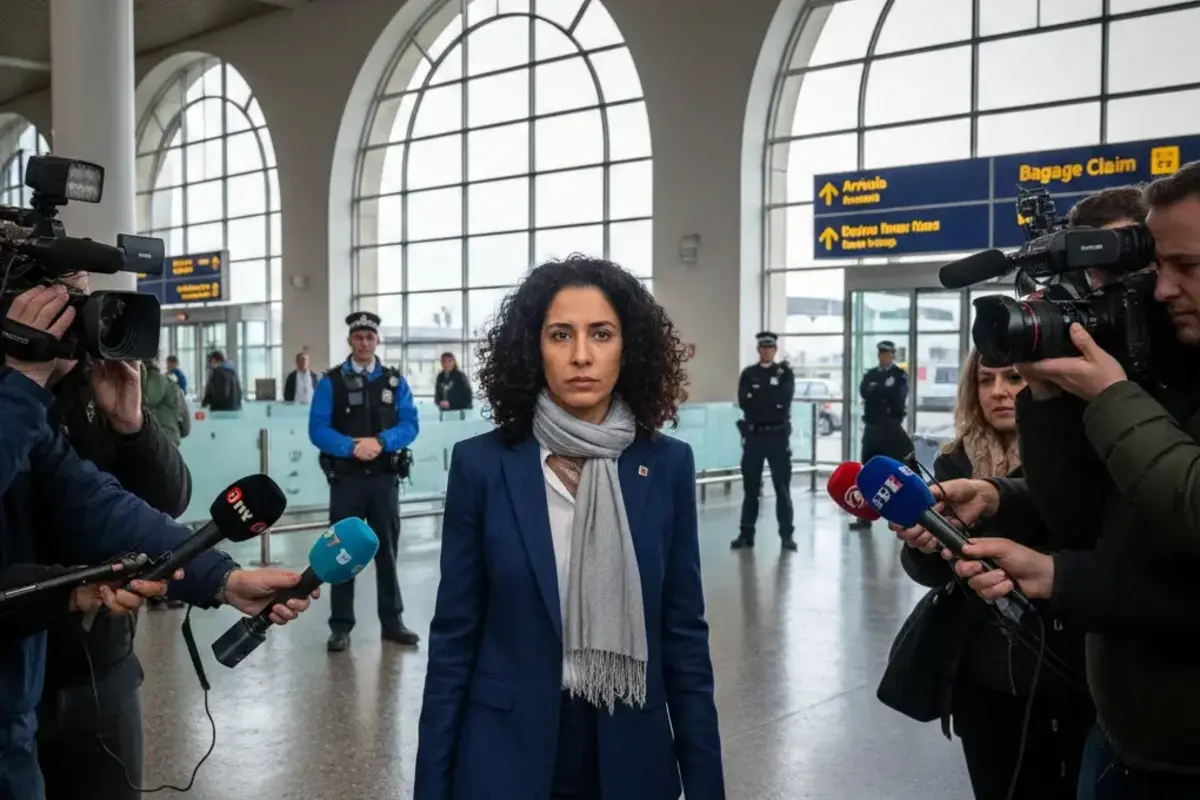
Fresh calls for accountability have emerged after new Epstein files became public. An Epstein survivor has urged Andrew Mountbatten-Windsor to face questioning in the United States. The demand follows renewed attention on past allegations and newly released documents.
The case has reopened painful memories for survivors. It has also raised serious questions about power, justice, and long-standing silence. Many now ask why some figures were never fully questioned. Others ask whether justice was delayed for too long.
This article explains the claims, the documents, survivor voices, legal context, and public reaction.
Who Is Calling for Accountability
Marina Lacerda, an Epstein survivor, has spoken out strongly. She says Andrew Mountbatten-Windsor should be brought to justice. She believes questions must be answered in a US court.
Lacerda was exploited by Jeffrey Epstein as a child. She met Epstein when she was only 14. The abuse lasted for several years. She now lives in the United States and speaks openly about survivor rights.
She says powerful people linked to Epstein avoided real scrutiny. She believes this silence harmed victims. She says it allowed abuse networks to stay hidden.
Her comments came after new Epstein-related documents were released. These documents have revived debate around people once linked to Epstein.
Background: Epstein and His Network
Jeffrey Epstein was a wealthy financier. He was convicted for sex crimes involving minors. He abused girls over many years. His actions involved trafficking and coercion.
Epstein died in prison in 2019. His death ended a criminal case but not public concern. Many believe others involved were never held to account.
Ghislaine Maxwell played a central role in Epstein’s crimes. She recruited and managed girls. She is now serving a long prison sentence for sex trafficking.
Survivors say Epstein did not act alone. They say powerful friends enabled him. They argue this network must still be exposed.
Andrew Mountbatten-Windsor and the Allegations
Andrew Mountbatten-Windsor, formerly known as Prince Andrew, has long faced accusations. Virginia Giuffre accused him of sexual abuse. She said she met him in 2001 when she was 17.
Giuffre said Ghislaine Maxwell introduced them. She said Epstein was also present. She described being pressured into sexual acts. She claimed this happened more than once.
Mountbatten-Windsor has always denied these claims. He has said the accusations are false. He did not admit wrongdoing.
In 2022, he reached a civil settlement with Giuffre. The settlement did not include an admission of guilt.
Virginia Giuffre’s Death and Its Impact
Virginia Giuffre died by suicide in April. Her death shocked many. It deeply affected survivors and campaigners.
Her lawyer described her as brave and strong. He said she fought for truth until the end. He also said people who believed denials should feel shame.
Giuffre published a memoir after her death. In the book, she detailed her alleged abuse. She described meetings, pressure, and control.
Survivors say her death highlights the heavy cost of silence. They say years of denial and doubt harmed her mental health.
What the Newly Released Documents Show
New documents linked to Epstein have been released. They include emails and messages. Some messages appear to involve Andrew Mountbatten-Windsor.
The emails show requests for meetings with “inappropriate friends.” They also mention finding girls who were “friendly and discreet and fun.”
The messages date back to the early 2000s. They appear to line up with known travel and official trips.
Some emails refer to locations linked to royal residences. Others refer to travel in South America.
These documents have raised new questions. They have also increased calls for questioning.
The Role of Ghislaine Maxwell
Ghislaine Maxwell acted as Epstein’s fixer. She arranged meetings. She recruited girls. She managed schedules and contacts.
In the emails, Maxwell appears to discuss arranging girls for a man named Andrew. She used coded language. Survivors say such wording was common in trafficking circles.
Maxwell is now serving a 20-year prison sentence. Survivors say her conviction confirms long-denied abuse claims.
They also argue others involved should face questioning.
Calls for US Questioning
Marina Lacerda says Andrew Mountbatten-Windsor should come to the United States. She says he should answer questions under oath.
She says justice should not depend on status. She argues that titles once shielded him from scrutiny.
She also criticized past investigations. She said claims were ignored. She said victims were doubted while powerful figures stayed quiet.
She believes a proper investigation could have changed outcomes. She says it might have helped Giuffre while she was alive.
FBI Interest and Missed Opportunities
Documents show US investigators wanted to question Mountbatten-Windsor. They were also interested in links to another offender, Peter Nygard.
Mountbatten-Windsor refused to cooperate. No further action followed.
Survivors say this shows a failure of justice. They argue that refusal should not end inquiry.
They say many survivors feel abandoned by systems meant to protect them.
Loss of Titles and Public Standing
In recent years, Mountbatten-Windsor lost his royal titles and honors. This followed public pressure and renewed scrutiny.
The decision came after long debate. Many felt it should have happened earlier.
Survivors say symbolic actions are not enough. They want legal accountability. They want questioning, evidence, and answers.
Public Reaction and Media Focus
Public reaction has been strong. Many express anger and disbelief. Others feel sadness for victims.
Some question why allegations were dismissed for years. Others ask how power shaped outcomes.
Media focus has shifted toward survivor voices. Their stories now lead coverage. This change matters to many advocates.
The Wider Issue of Power and Silence
This case reflects a larger problem. Abuse linked to wealth often stays hidden. Victims face doubt and delay.
Survivors say silence protects abusers. They say denial harms victims again and again.
They argue that justice must treat all people equally. Titles and wealth should not block truth.
Why Survivors Keep Speaking Out
Survivors like Marina Lacerda speak to prevent future harm. They want systems to change.
They say speaking out is painful. It brings memories and stress. But they believe it is necessary.
They want laws enforced without fear. They want victims believed from the start.
Legal Limits and Open Questions
There are legal barriers. Jurisdiction issues matter. Time limits also affect cases.
Still, survivors say questioning is possible. They say accountability is not only about charges. It is also about truth.
They believe public records and sworn answers matter.
What Justice Means to Survivors
For survivors, justice has many forms. It includes being heard. It includes acknowledgment.
It also includes responsibility for those accused. Survivors say silence is not justice.
They want clear answers. They want records made public. They want history corrected.
Ongoing Impact on Abuse Investigations
This case may affect future abuse cases. It shows how pressure can reopen closed doors.
It may encourage victims to speak. It may push authorities to act faster.
Campaigners hope it leads to better protection laws.